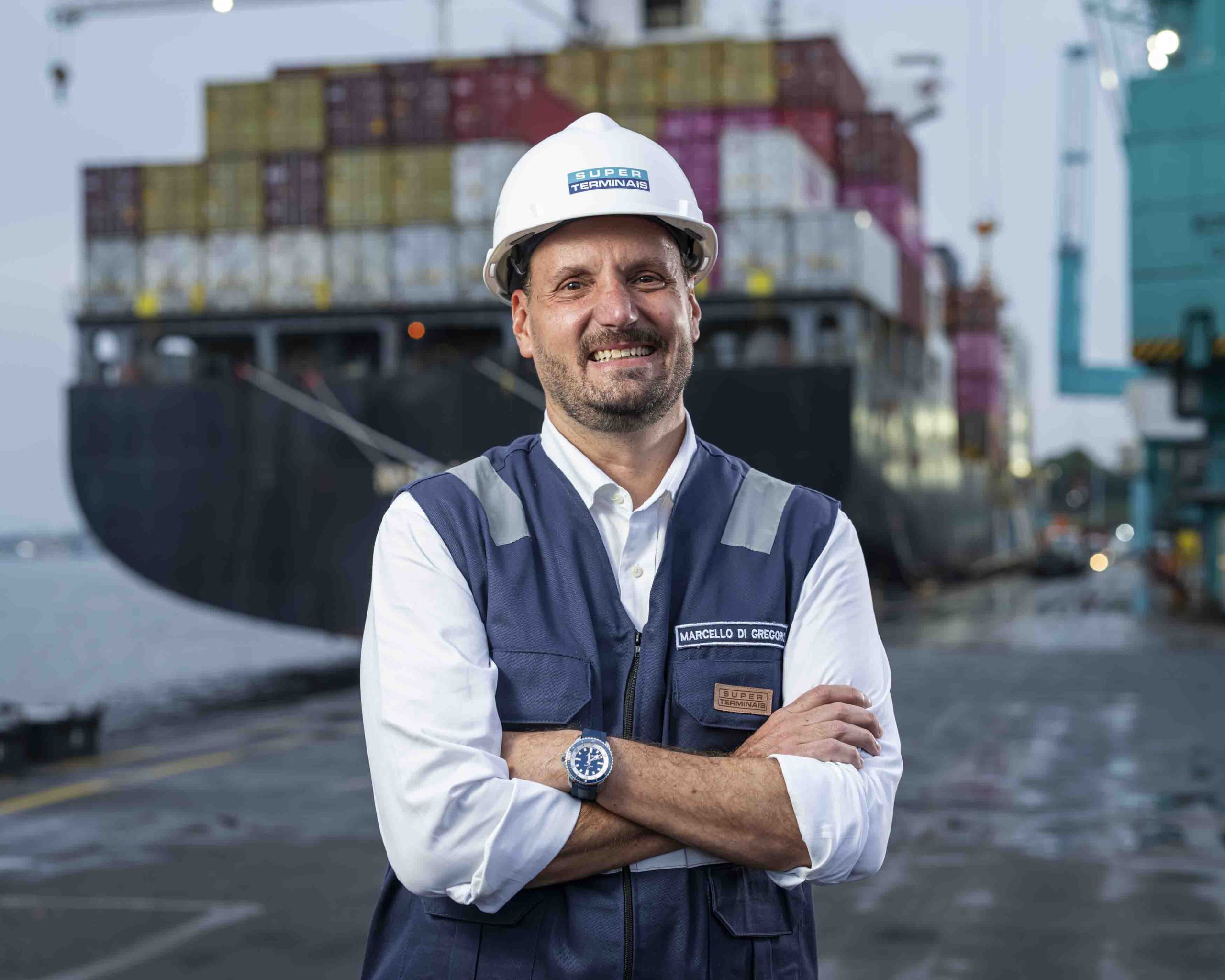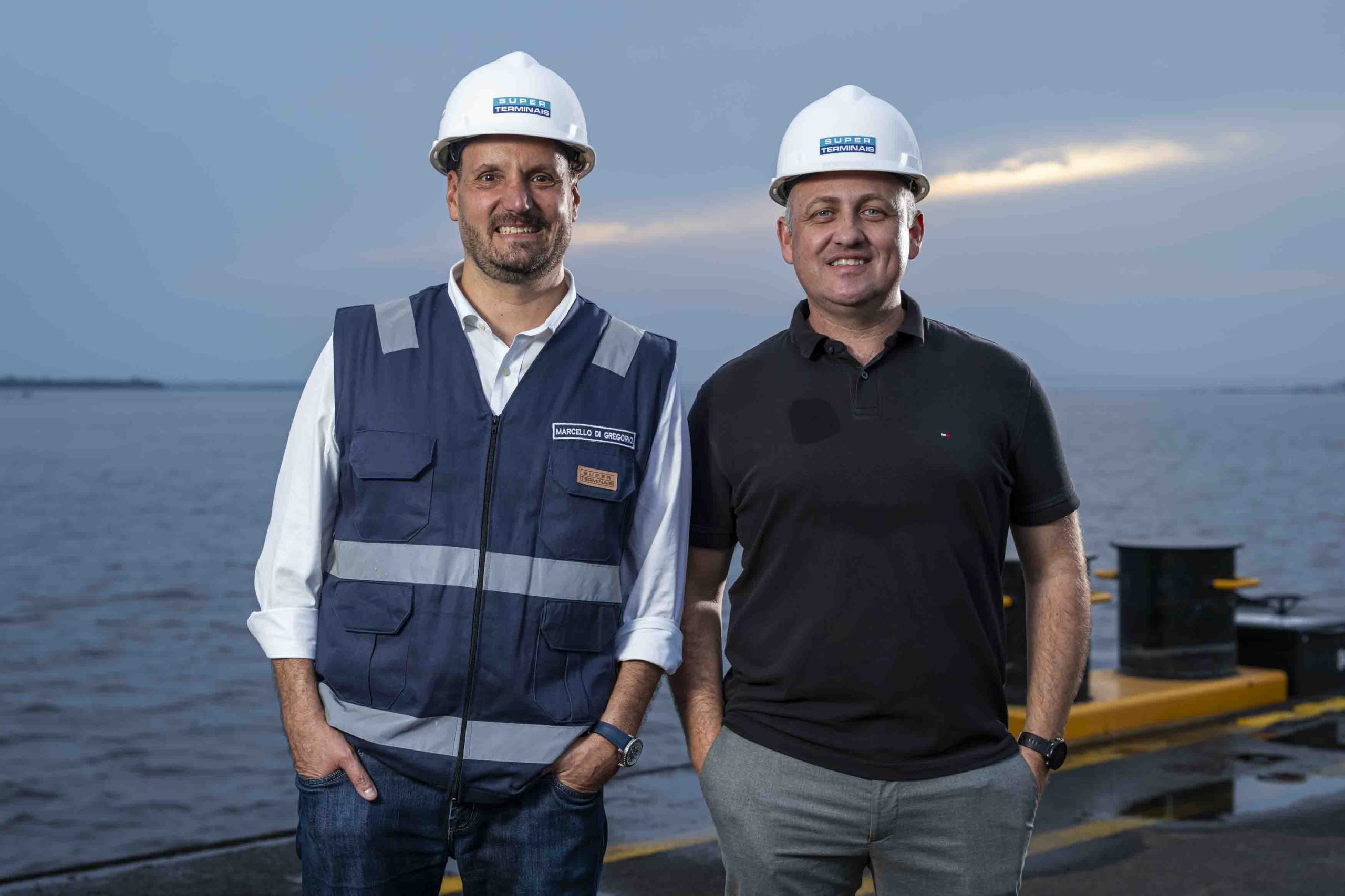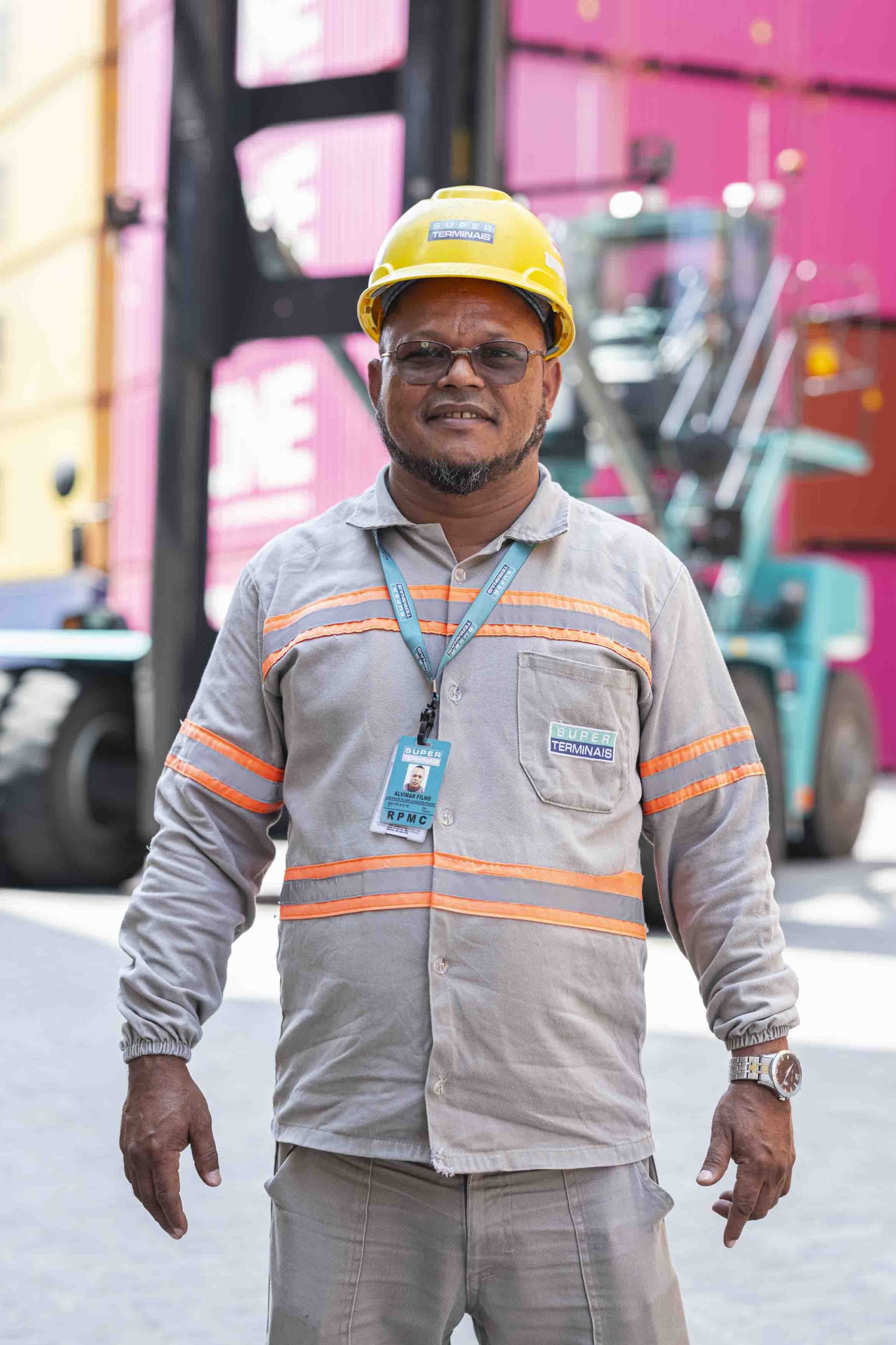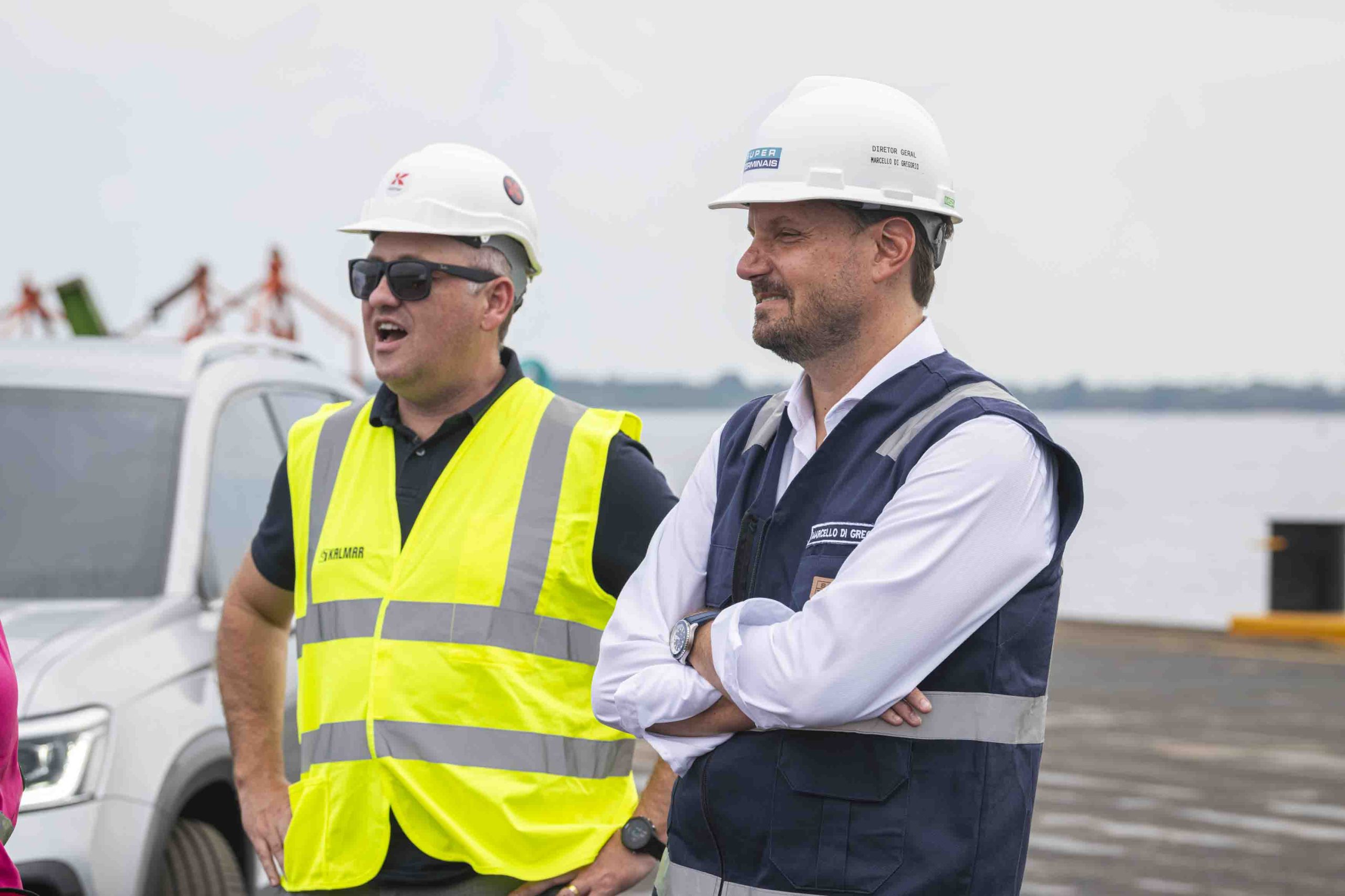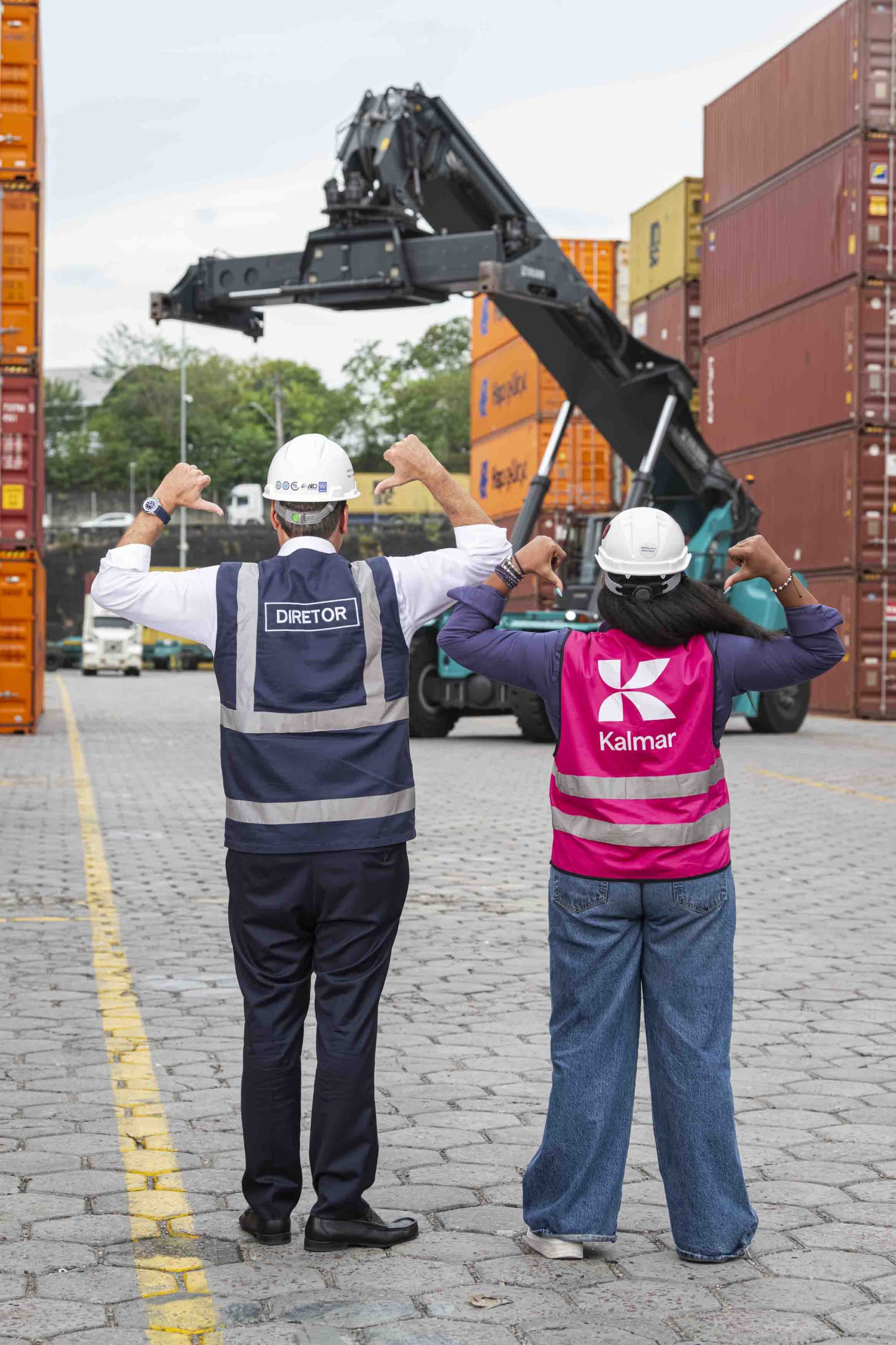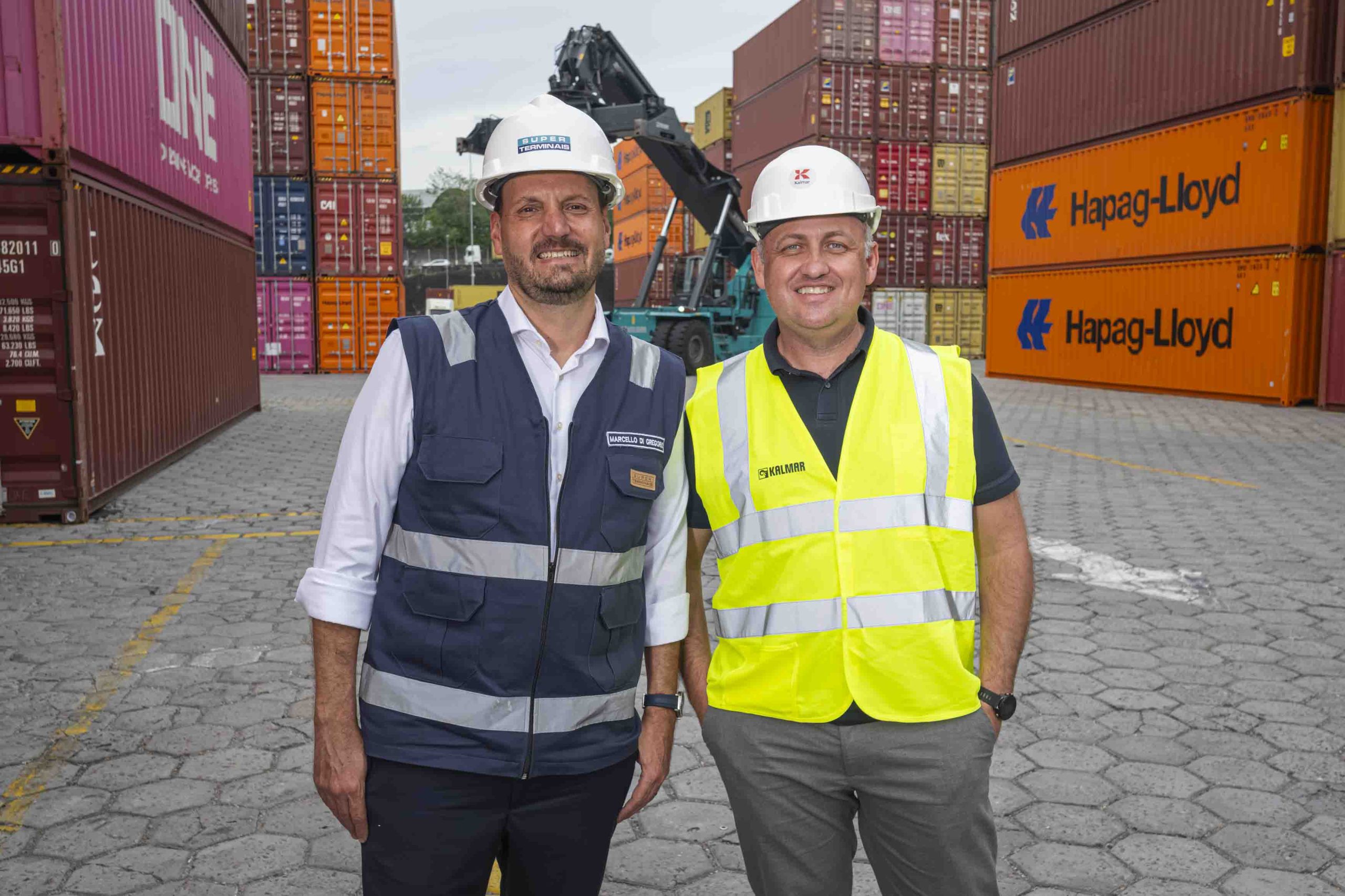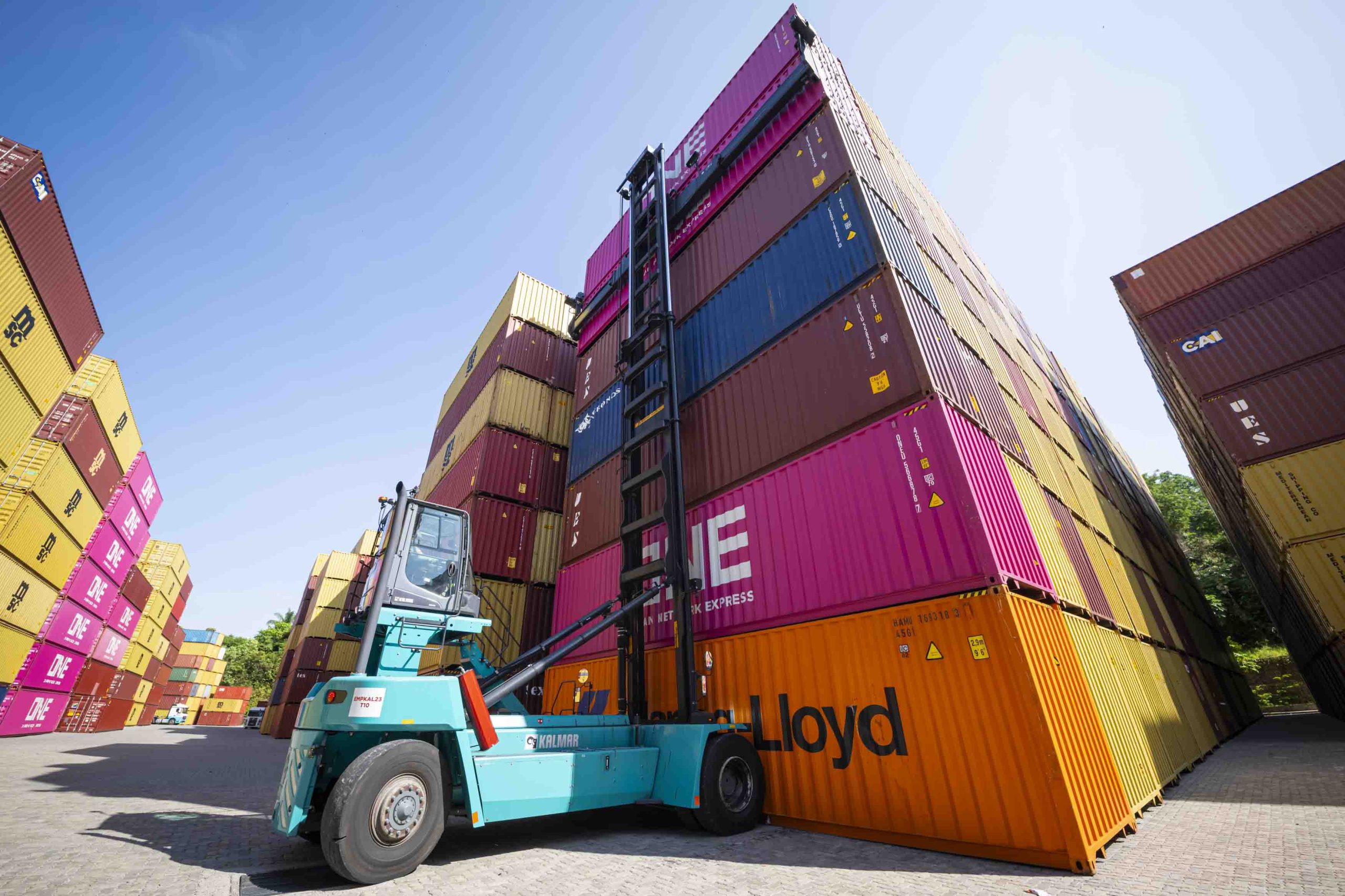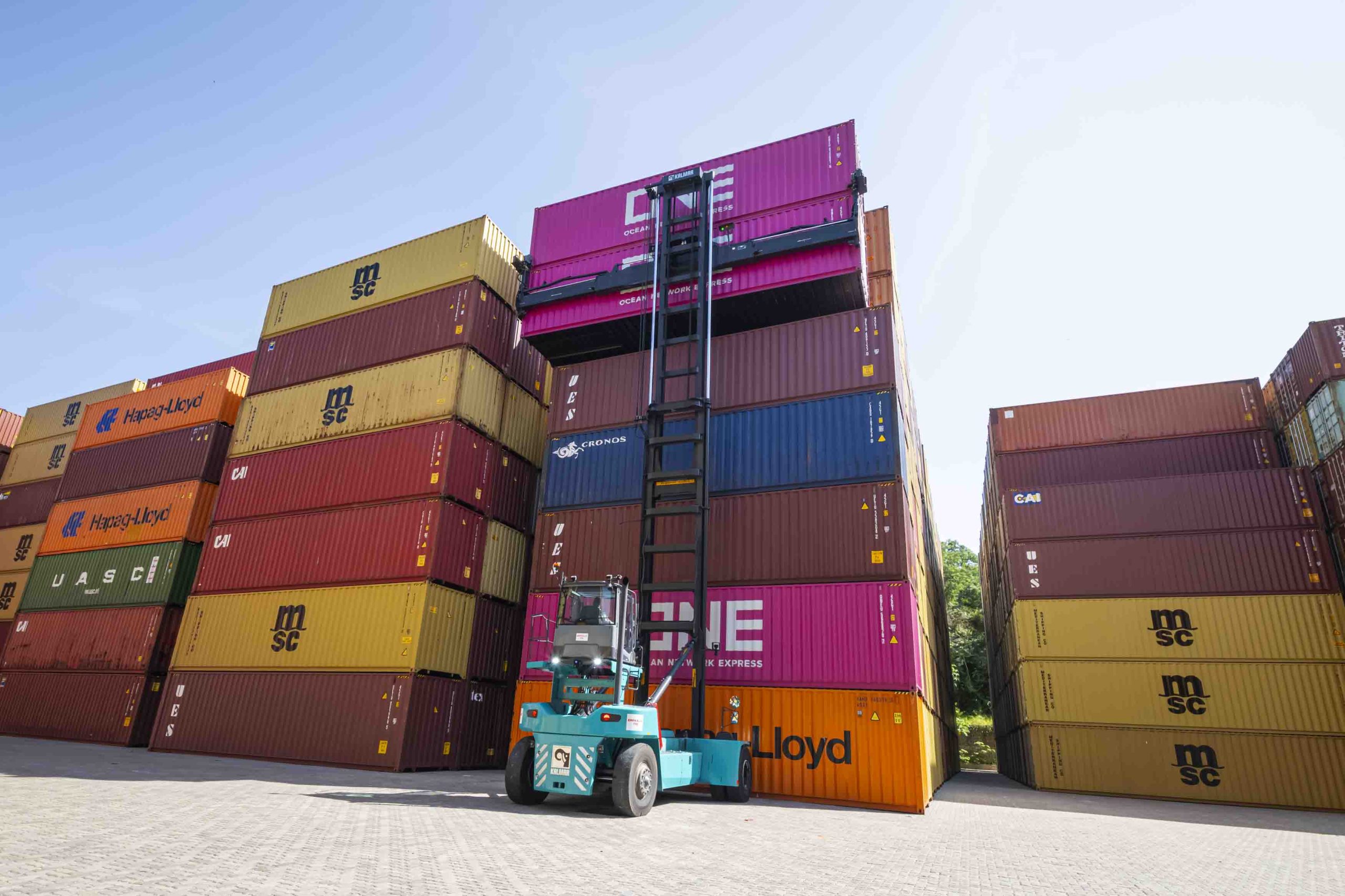


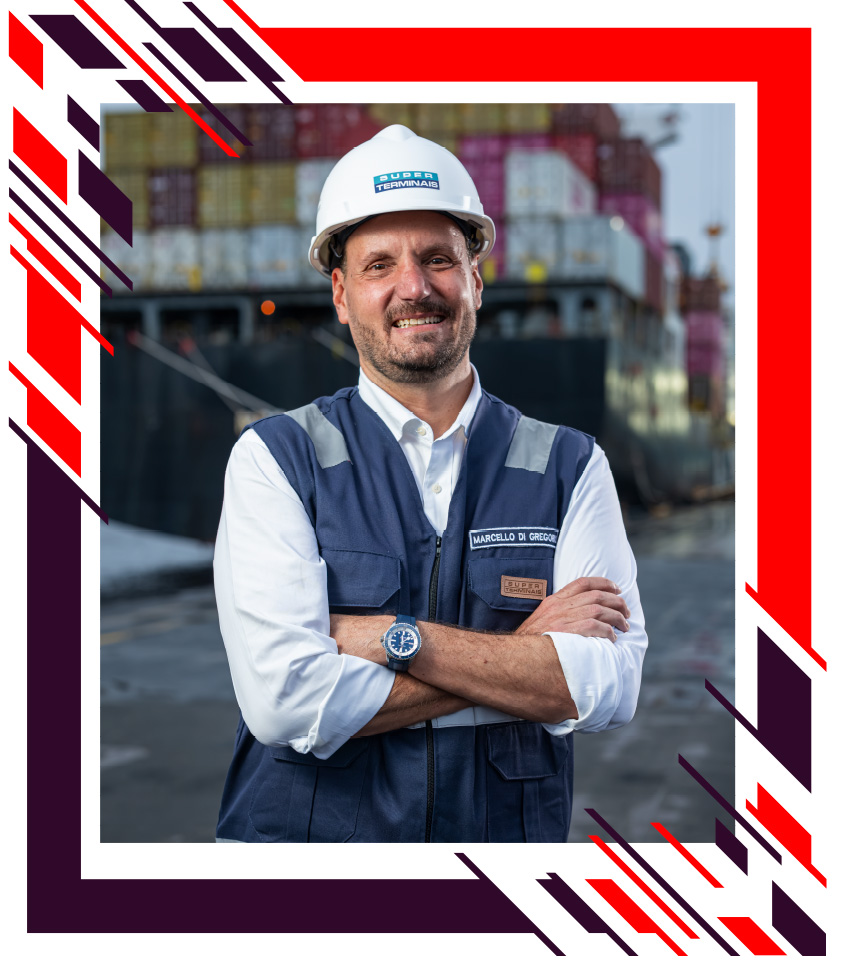
At just 20 years old, Marcello Di Gregorio began his journey in the world of logistics and foreign trade, before returning to the family business founded by his father, Franco, in Manaus in 1977. Since then, the family has become a pioneer of Amazonian logistics, moving cargo from the rainforest to São Paulo and laying the foundations for a port that would change the history of transportation in Brazil.
“Our family’s story began here in 1977. My father, Franco, was a pioneer in bringing logistics to the Amazon, which until then was mainly handled by air freight. That year he came to Manaus to transport radio equipment to São Paulo, supplying the automotive production lines in the ABC region. Since then, this state has embraced us. It is a state that welcomed our family, and our family belongs here—by heart and by right”.
Marcello took over the leadership of Super Terminais in 2022, in the midst of the pandemic, with a clear mission: to turn it into a benchmark for sustainability and technology.
“When I took over the terminal in 2022, one of my main missions was to make it a reference point, especially in sustainability and technology—both in equipment and systems. I visited terminals inside and outside the country to learn from best practices. I believe we were able to bring that experience here, which is extremely enriching, because we operate in the heart of the Amazon rainforest and face challenges that other terminals do not”.
Logistics in the Amazon, shaped by droughts and floods that can vary by up to 20 meters each year, demands innovative solutions.
“Logistics in the Amazon is very complex. We know this because we have been operating at this terminal for 50 years. There are variables we must consider throughout the year. The main one is the cycle of droughts and floods. For six months we operate under drought conditions, and for another six months under flooding in Manaus. The river level varies between 17 and 20 meters every year. That is why we rely on our floating module”.
 This challenge has intensified with recent climate crises.
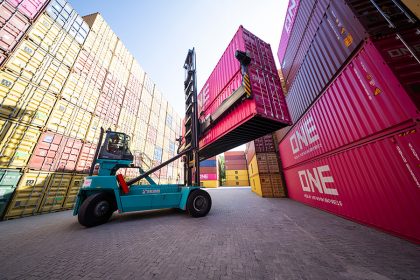
“Climate crises are becoming more frequent every year. In 2024 we experienced the worst drought ever recorded here. In fact, between 2023 and 2024 we faced the most severe droughts in Manaus. In 2023, Super Terminais went approximately 45 days without receiving vessels. Based on the data available, we knew that the 2024 drought would be even more severe. As a result, we relocated three crane-equipped modules to Itacoatiara, a city 300 kilometers from Manaus, where we carried out a transshipment operation that handled 27 vessels and approximately 33,000 containers, totaling around 840,000 tons”.
The scale of this effort is vital for Brazil. Manaus has become a key manufacturing hub for highly demanded goods such as air conditioners, electronics, and motorcycles.
“One hundred percent of televisions up to 55 inches produced and consumed in Brazil are manufactured in Manaus. One hundred percent of motorcycles up to 250 cc are produced in the Amazon. Air-conditioning units up to 32,000 BTUs are also manufactured here. All of this production is destined for the domestic market. Manaus’ importance to the Brazilian market in these segments is absolute: Brazil depends 100% on Manaus for air conditioners, electronics, and motorcycles”.
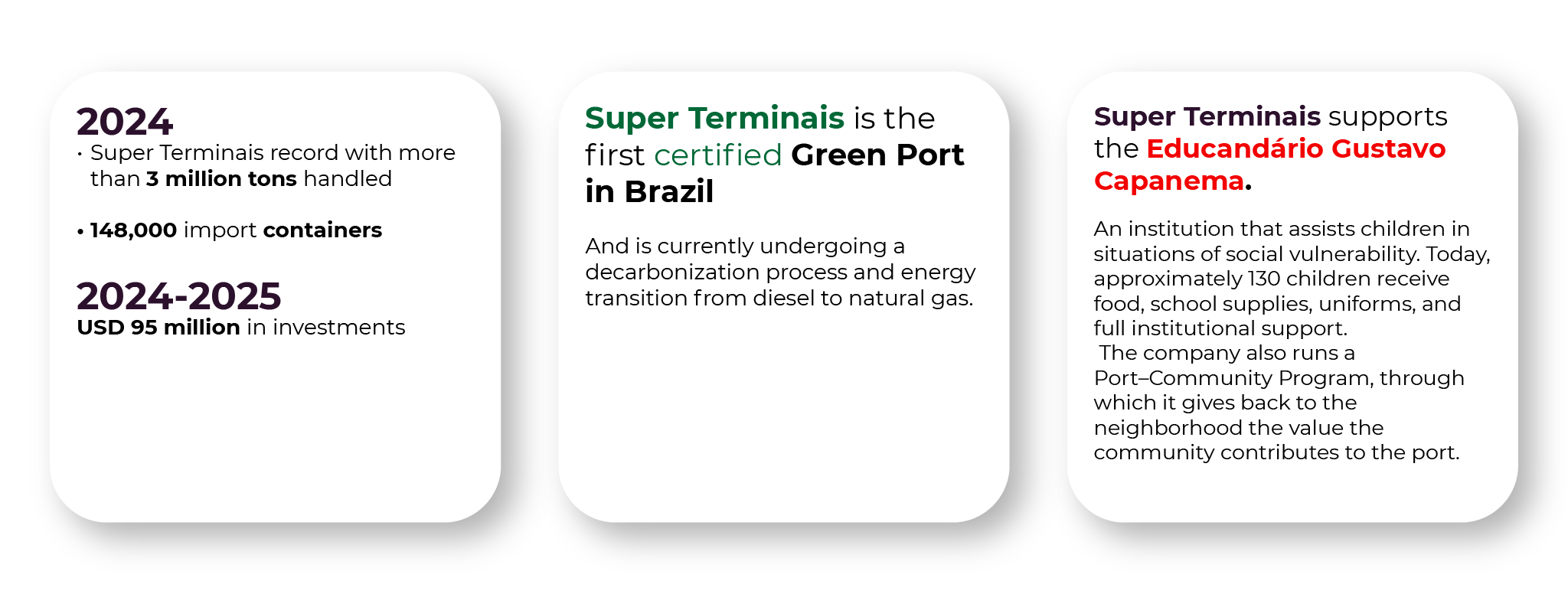
Super Terminais has consolidated its role as a strategic hub, handling approximately 50% of import containers and nearly 20% of coastal shipping containers arriving in Manaus.
“It can be stated that around 40% of the volume of motorcycles, air conditioners, televisions, and monitors entering and leaving Manaus passes through Super Terminais”.
The connection with Asia is another cornerstone of this logistics epic.
“Sixty percent of raw materials come from Asia and are delivered to factories in Manaus. The transit time is approximately 45 days from the moment the cargo leaves China until it arrives in Manaus. We currently have seven Transpacific services from Asia to Panama, and from there a weekly vessel sails to Manaus carrying raw materials. Vessels depart from Panama, stop in Port of Spain, Trinidad and Tobago, discharge there, and then continue on to Manaus”.
This river route—entering through the Macapá Strait and traveling nearly 2,000 kilometers along the Amazon River in four to five days—is the artery that connects the rainforest to the world.
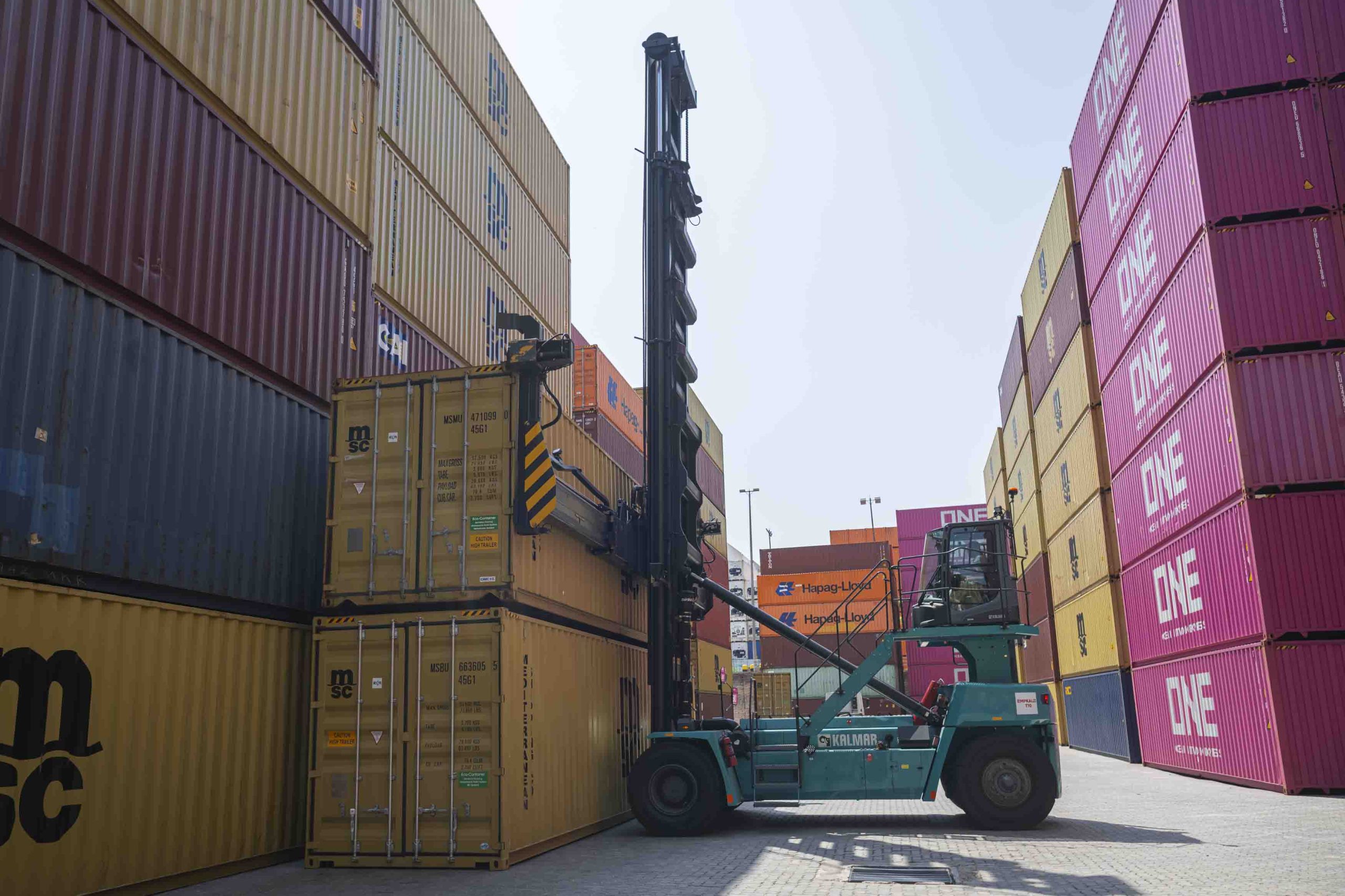
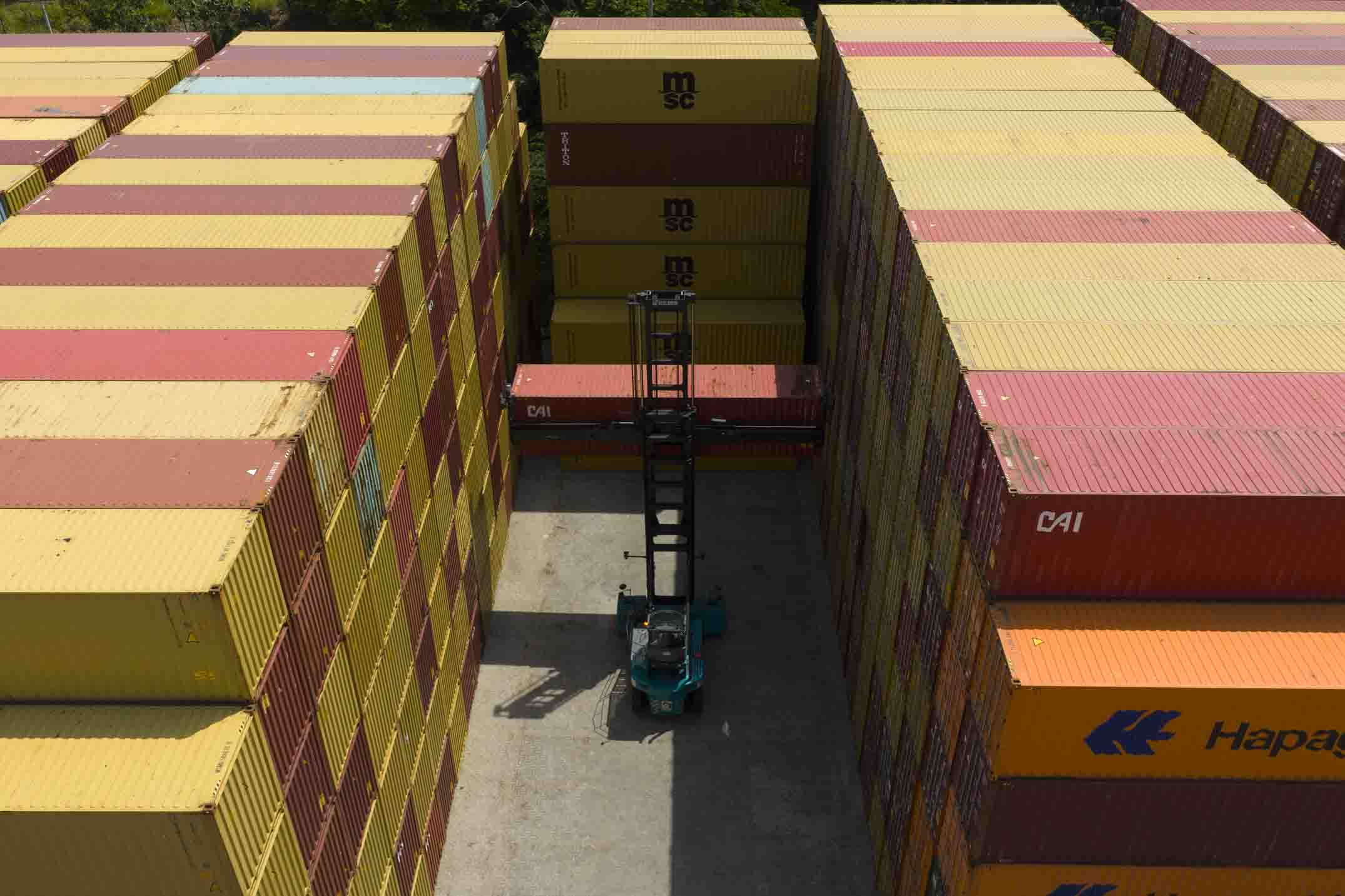
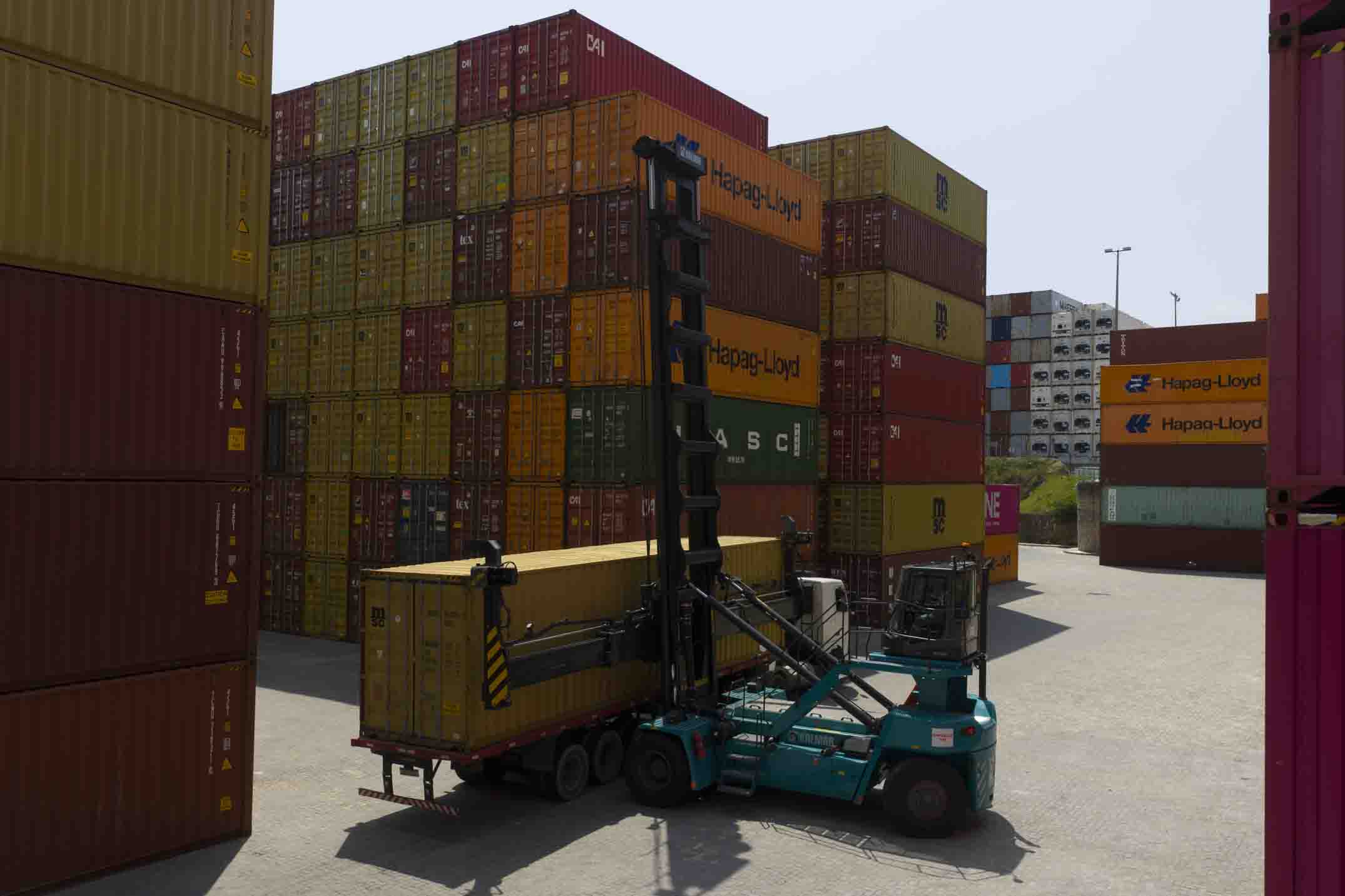
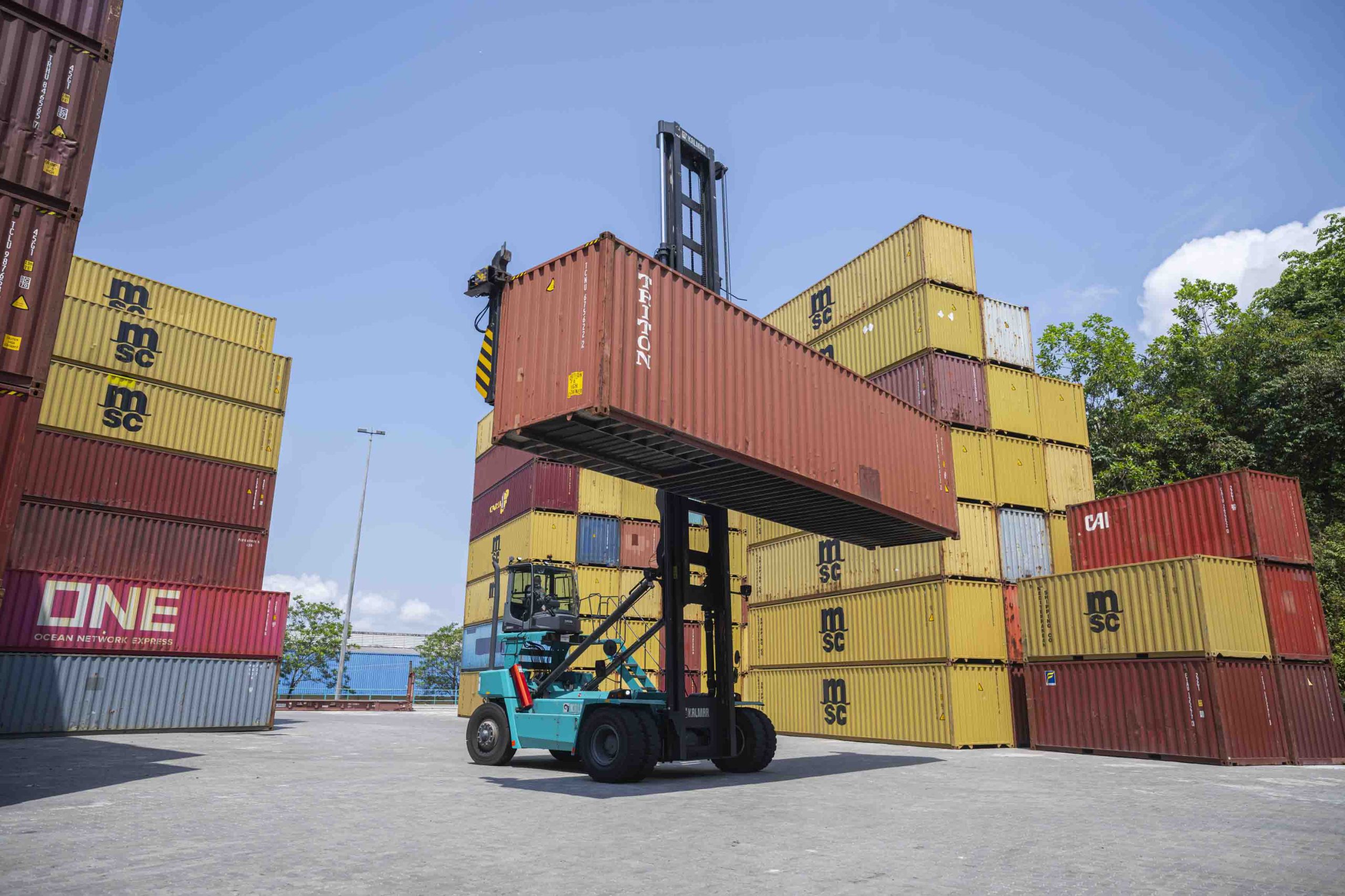
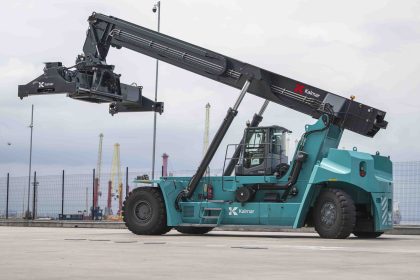 The port’s modernization has been continuous: from the first operations in 1996, the installation of berths in 2003, the arrival of the first cranes in 2009, to the current expansion to eleven pieces of equipment and 600 meters of quay, with a projection of 720 meters.
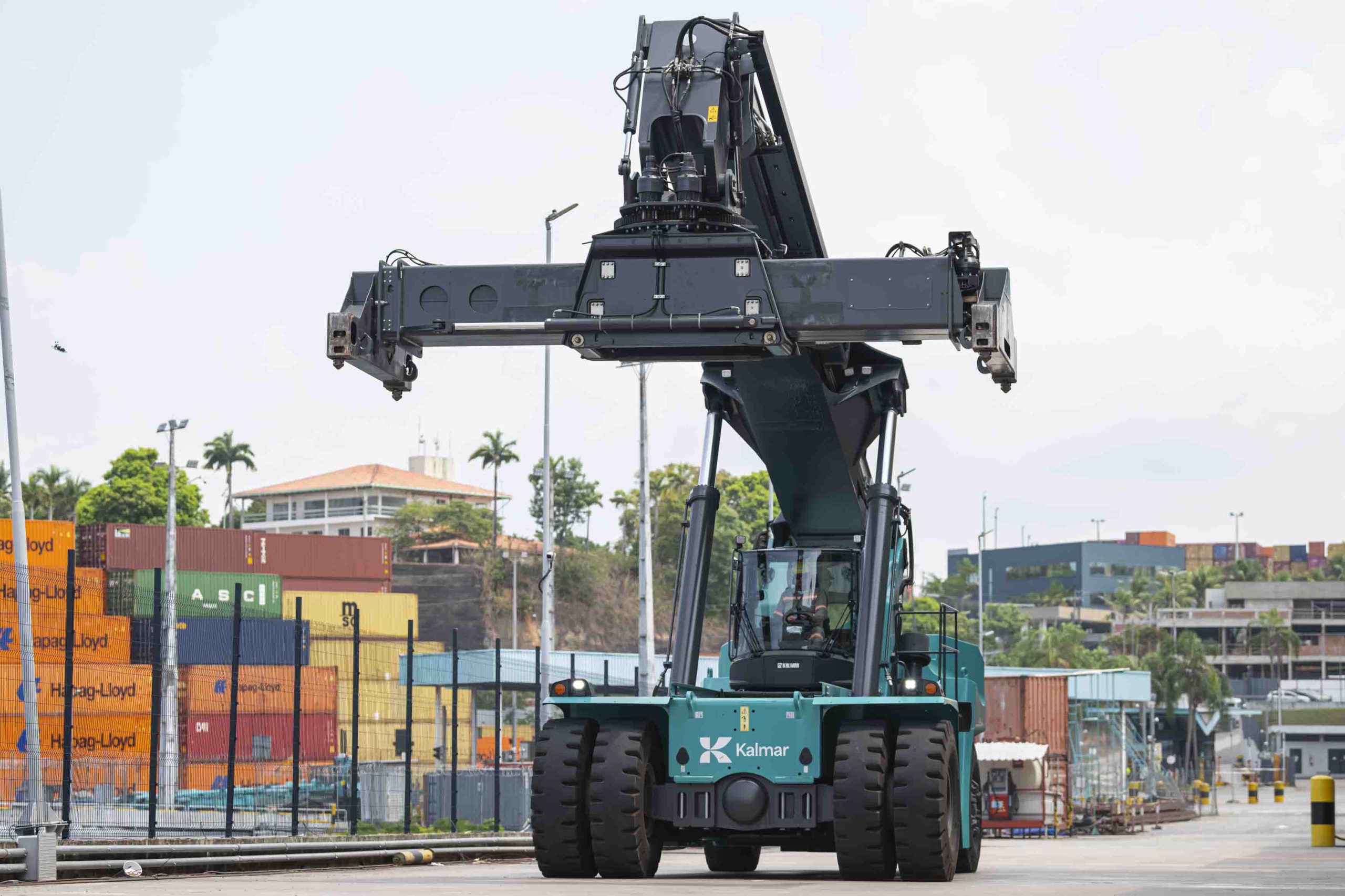
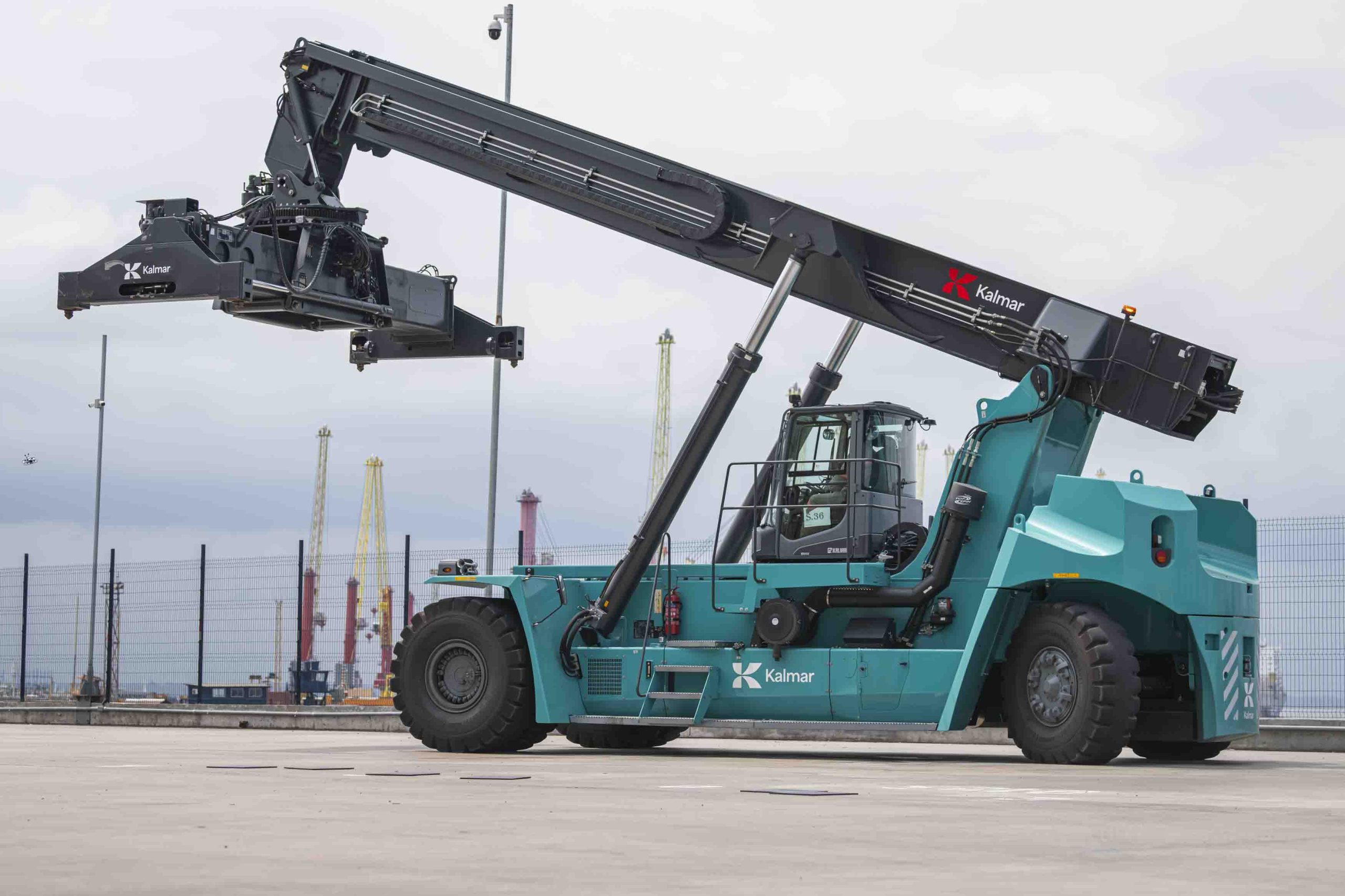
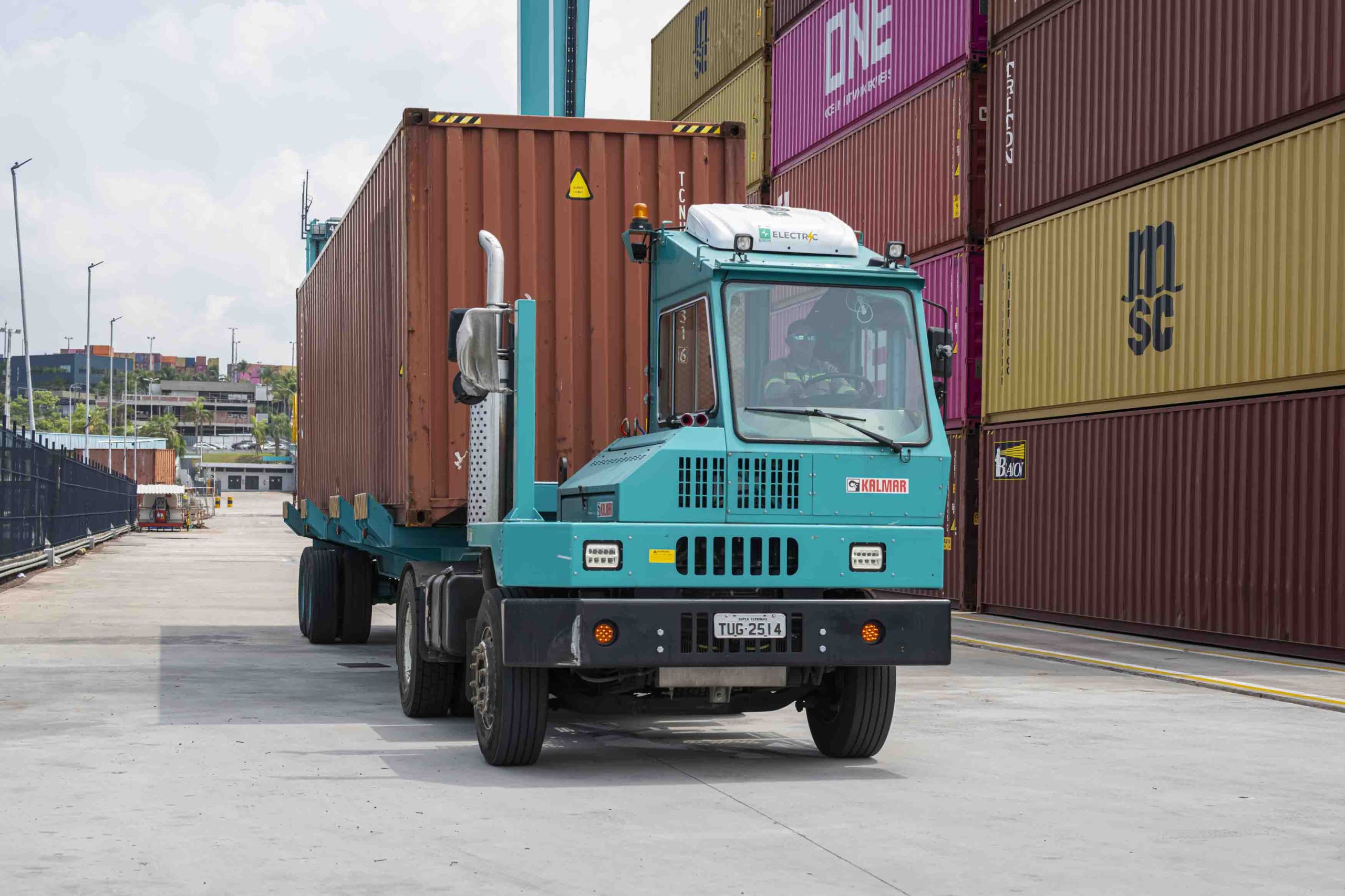
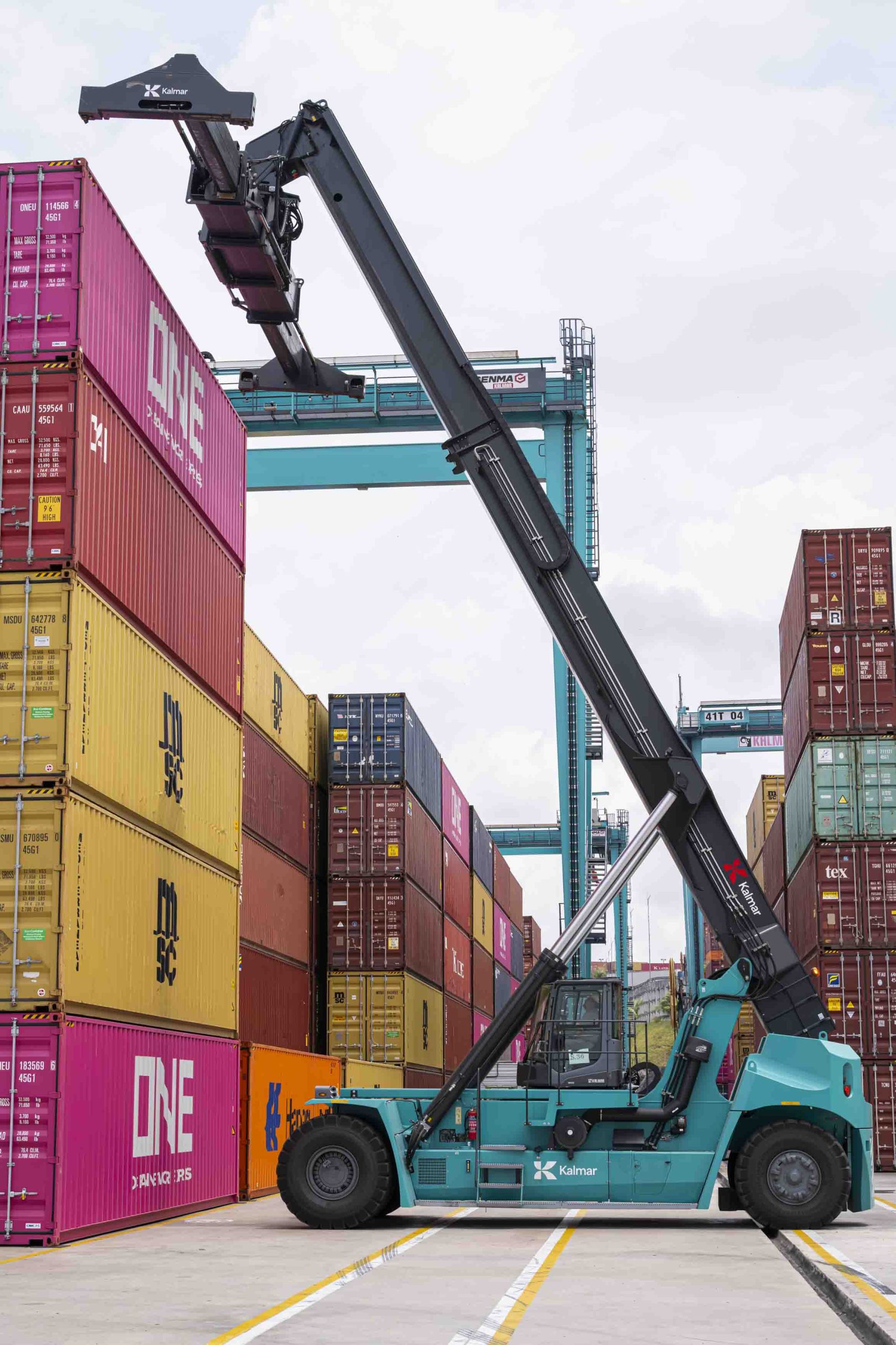
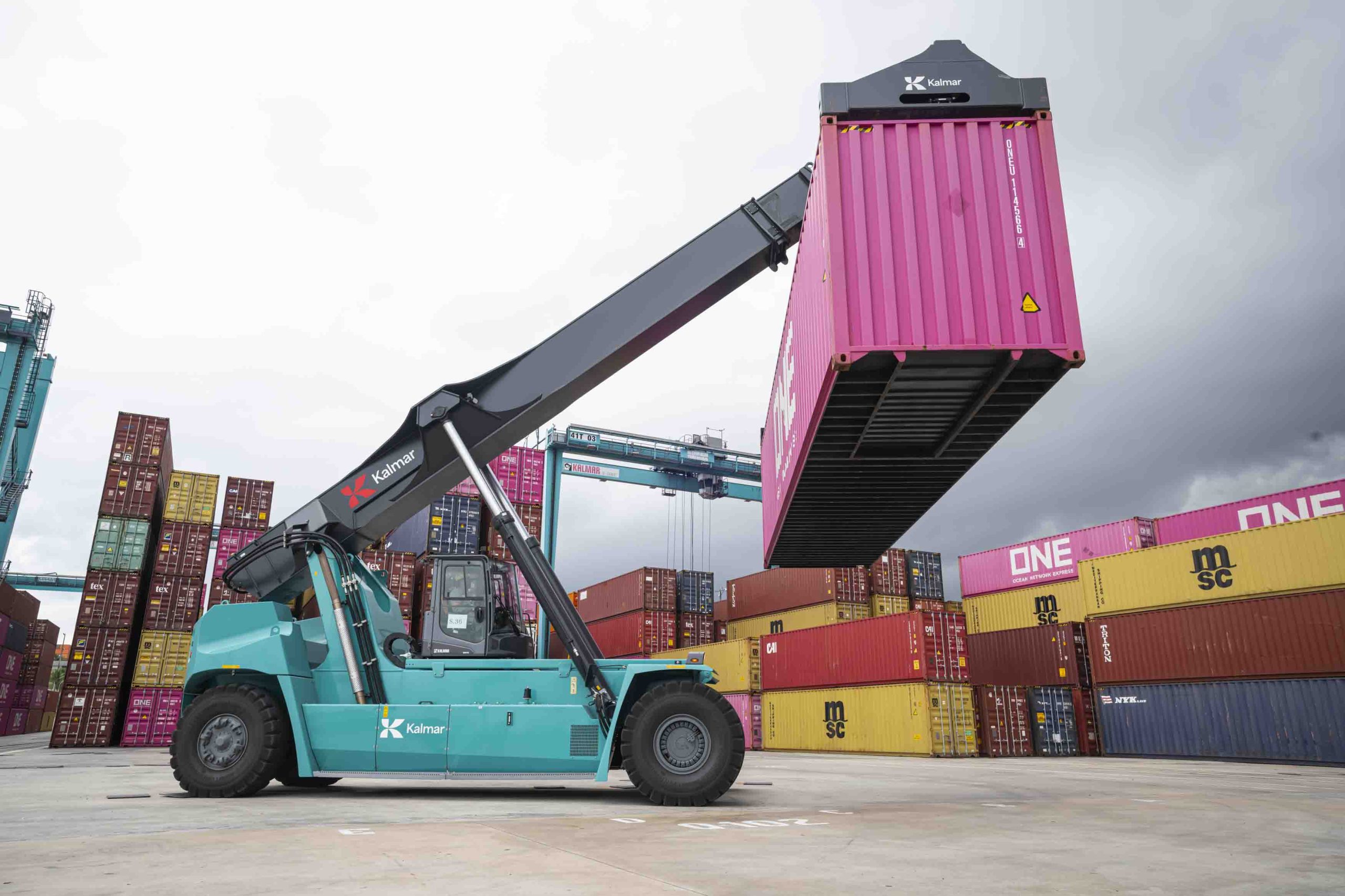
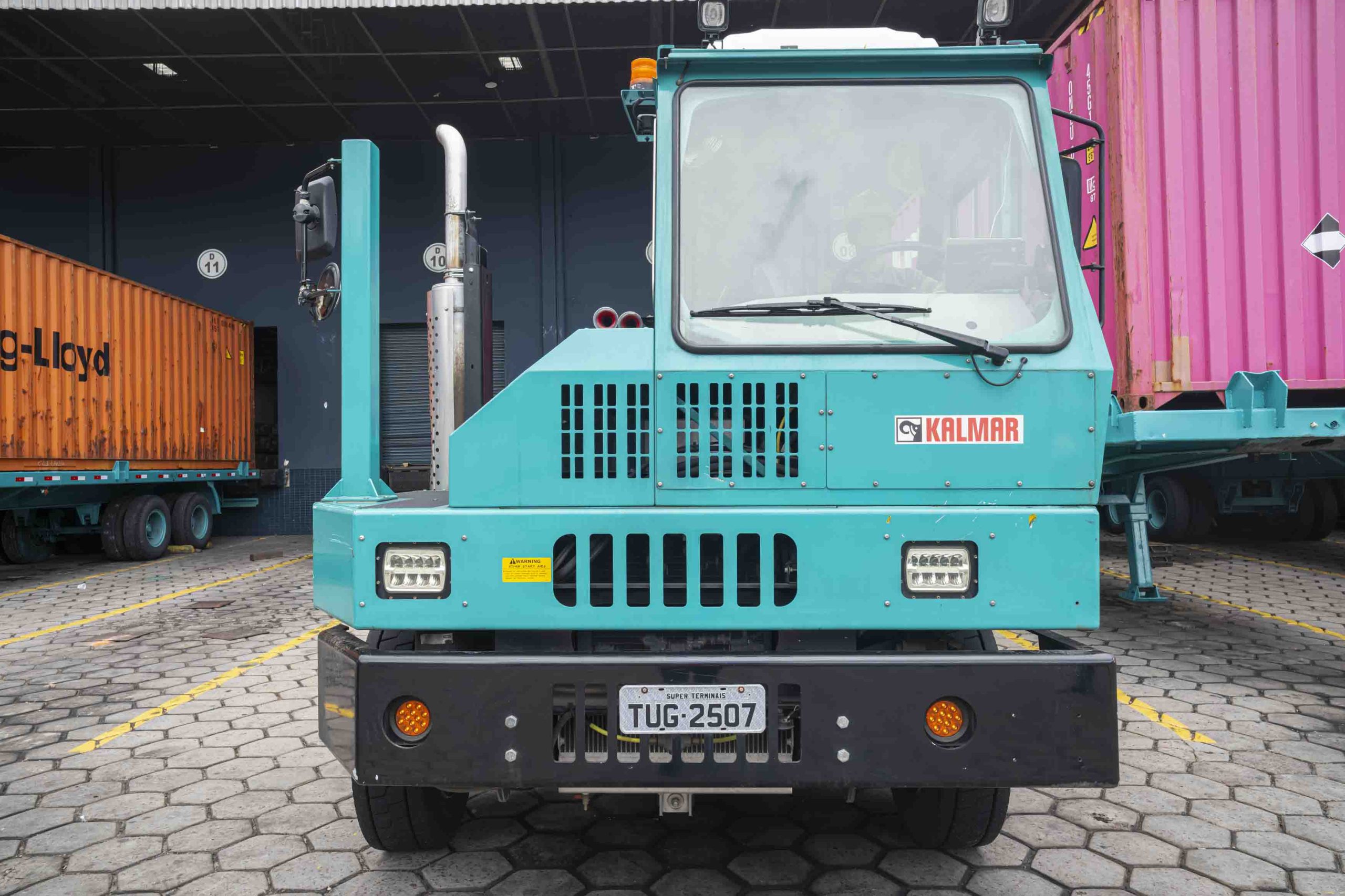
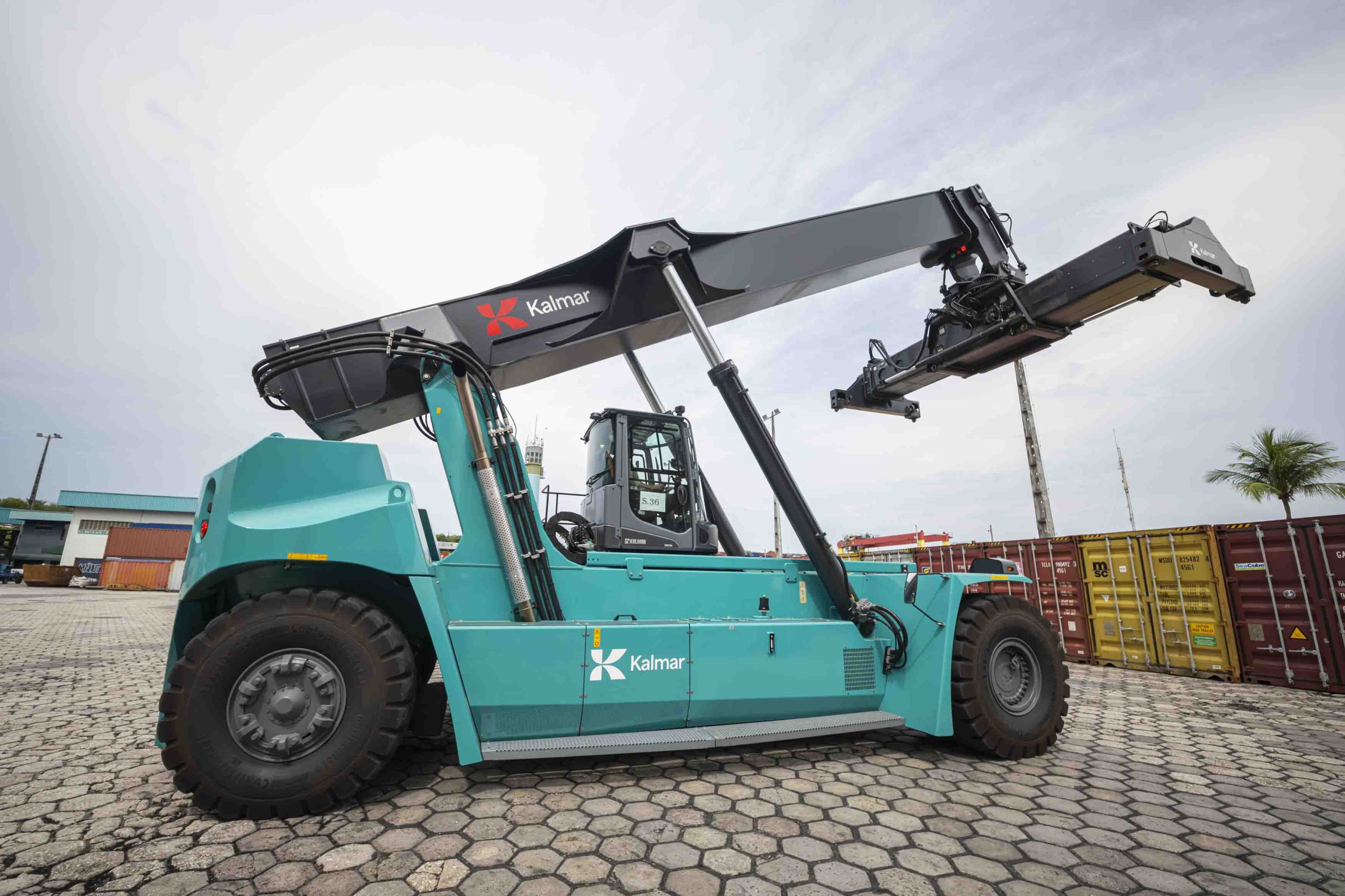
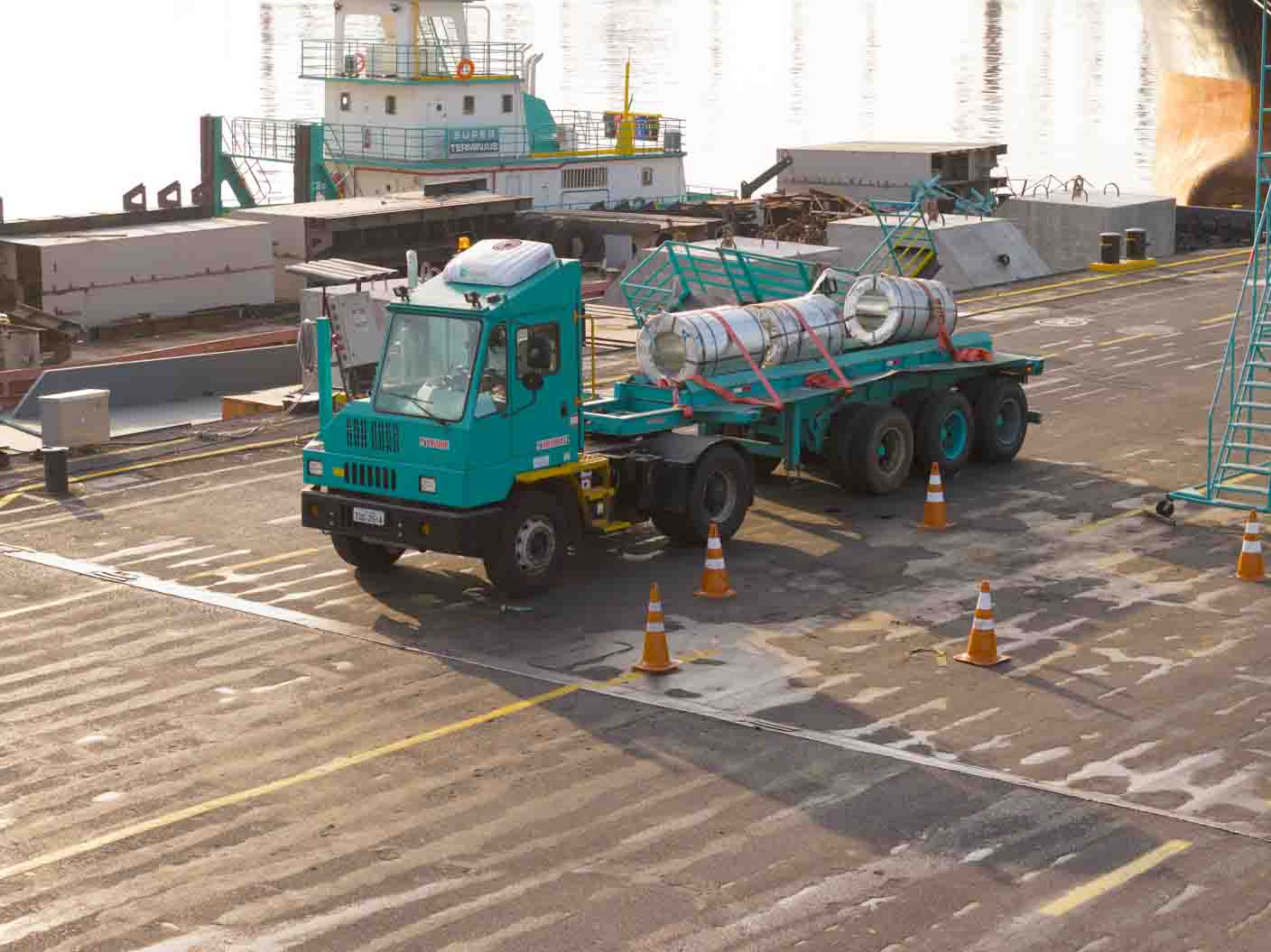
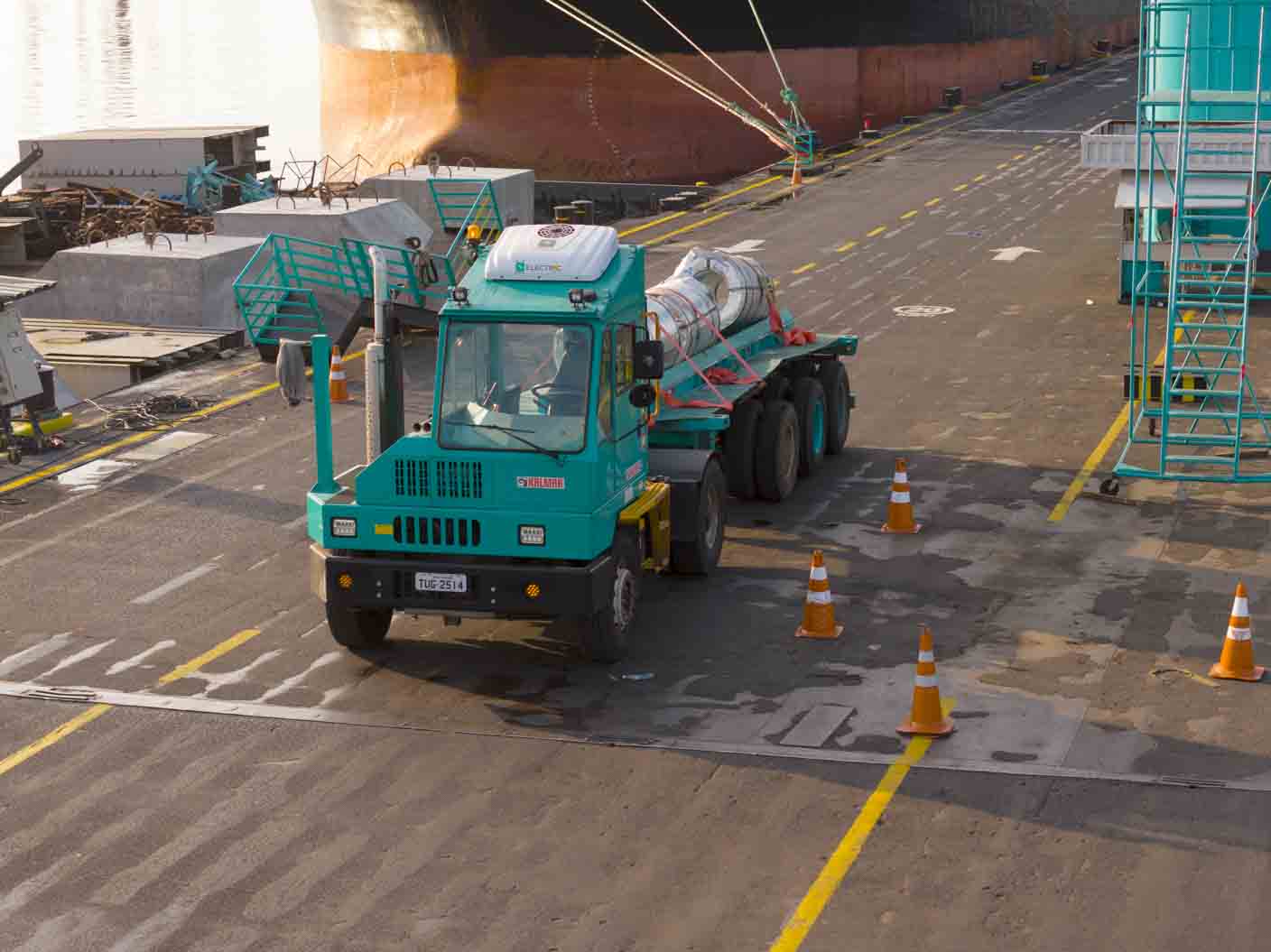
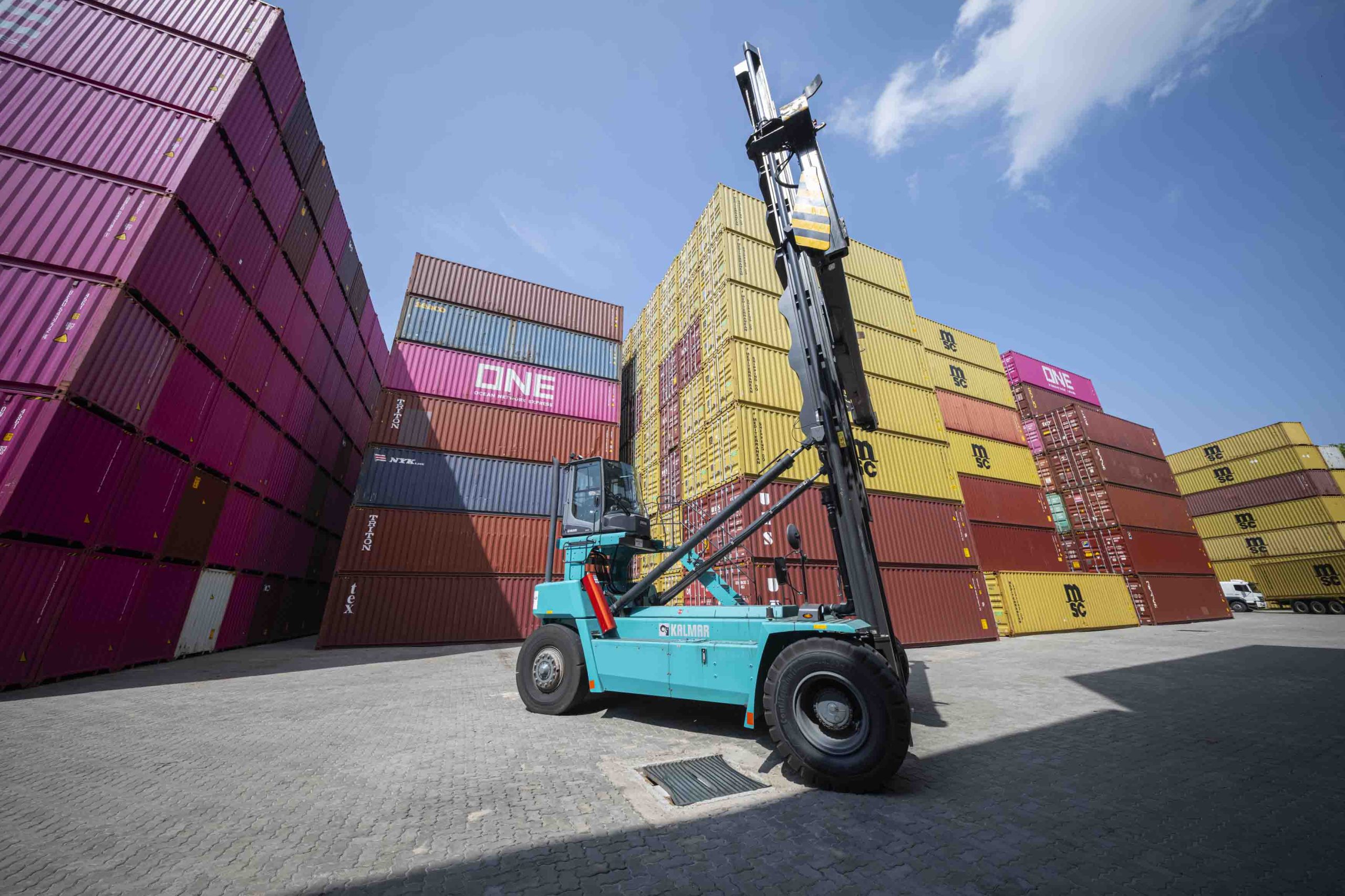
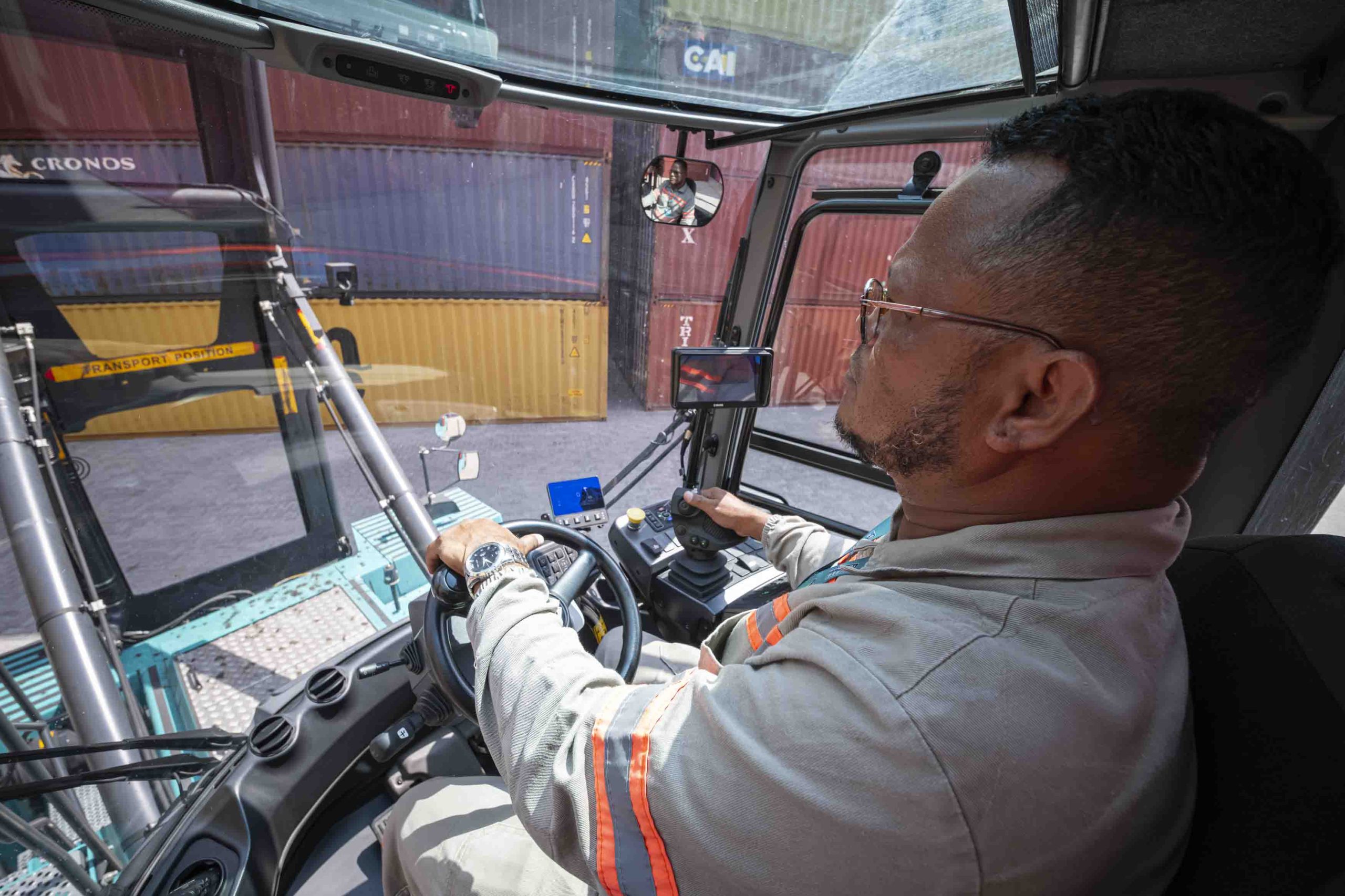
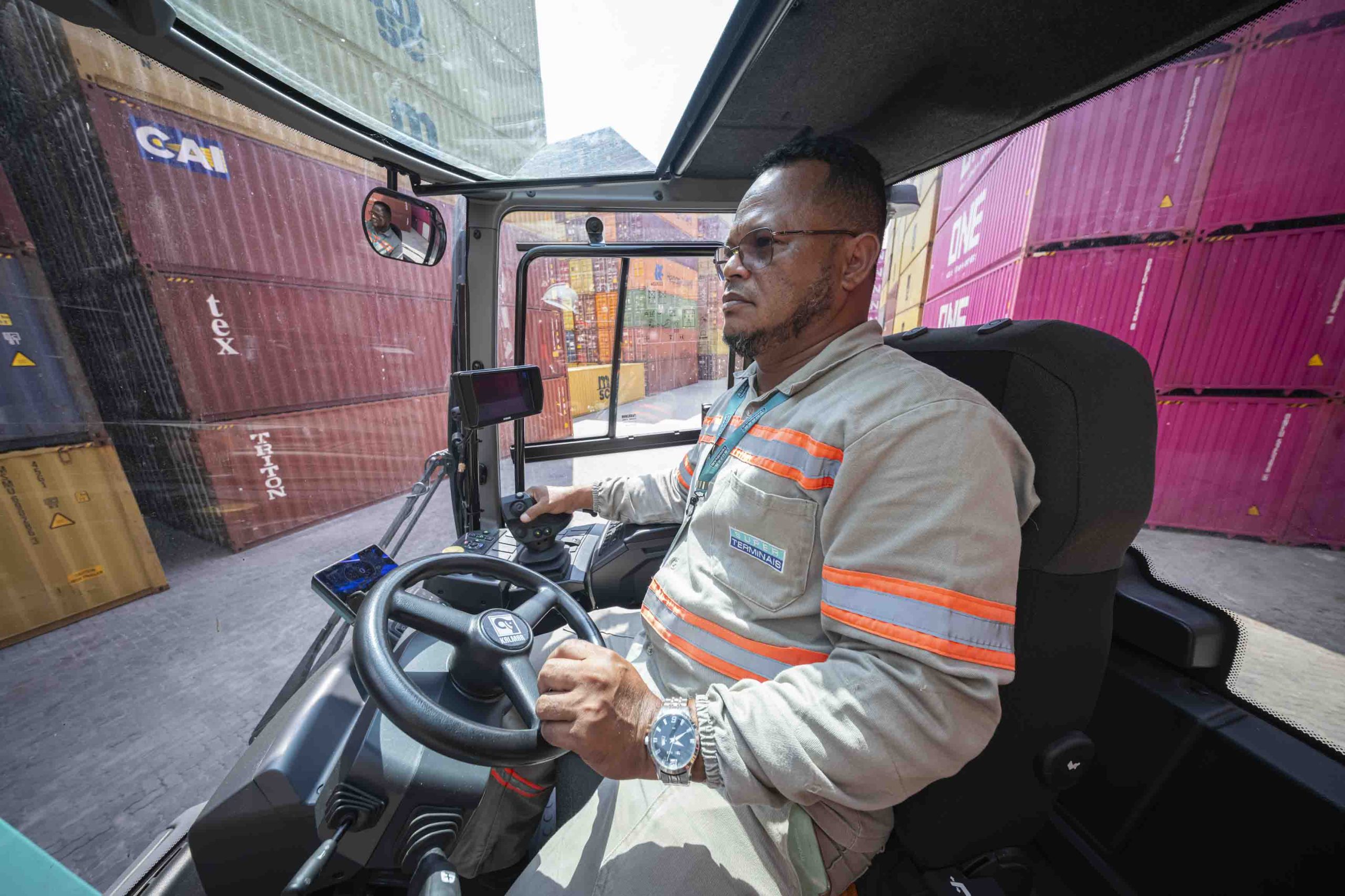
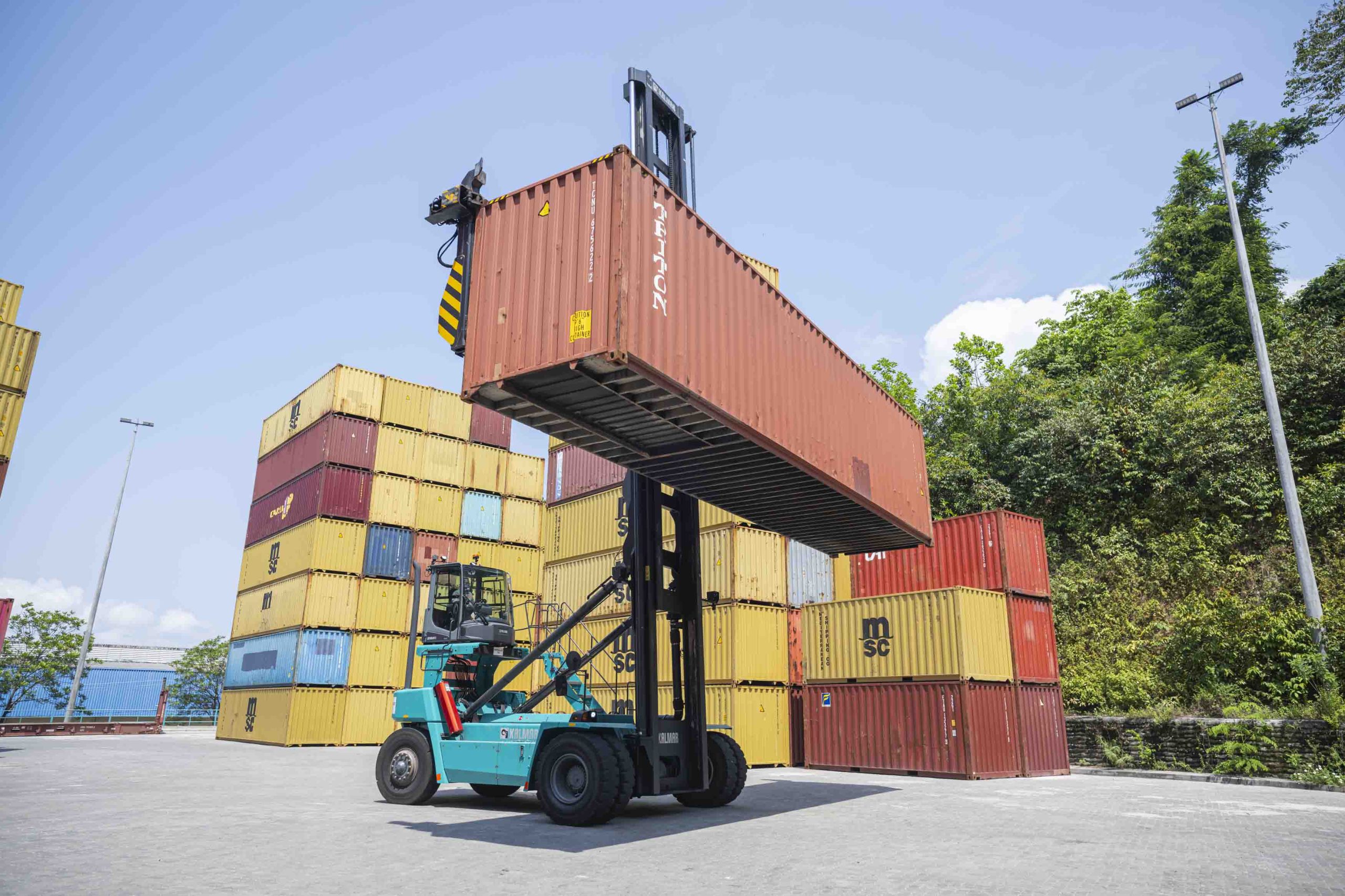
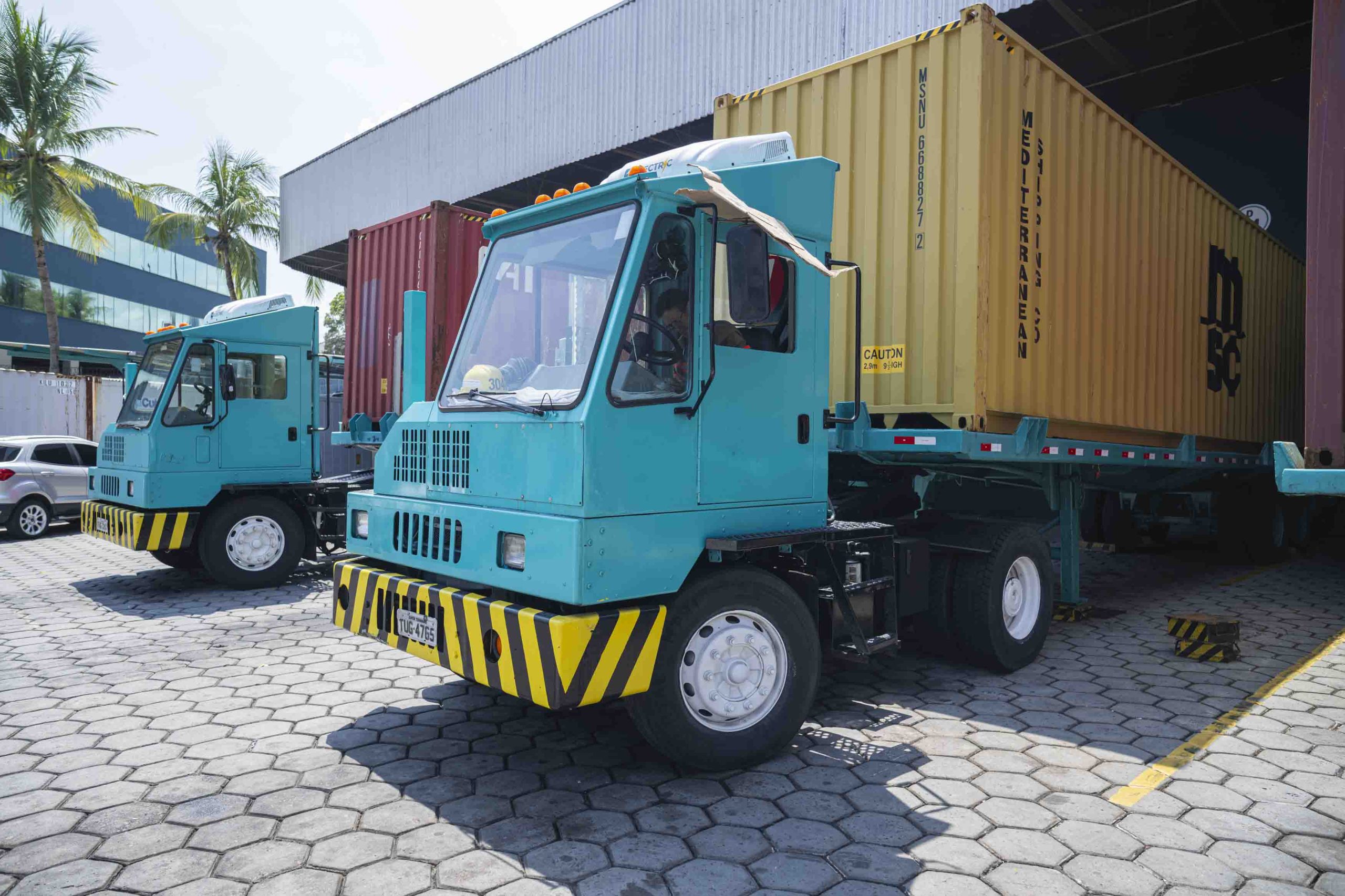
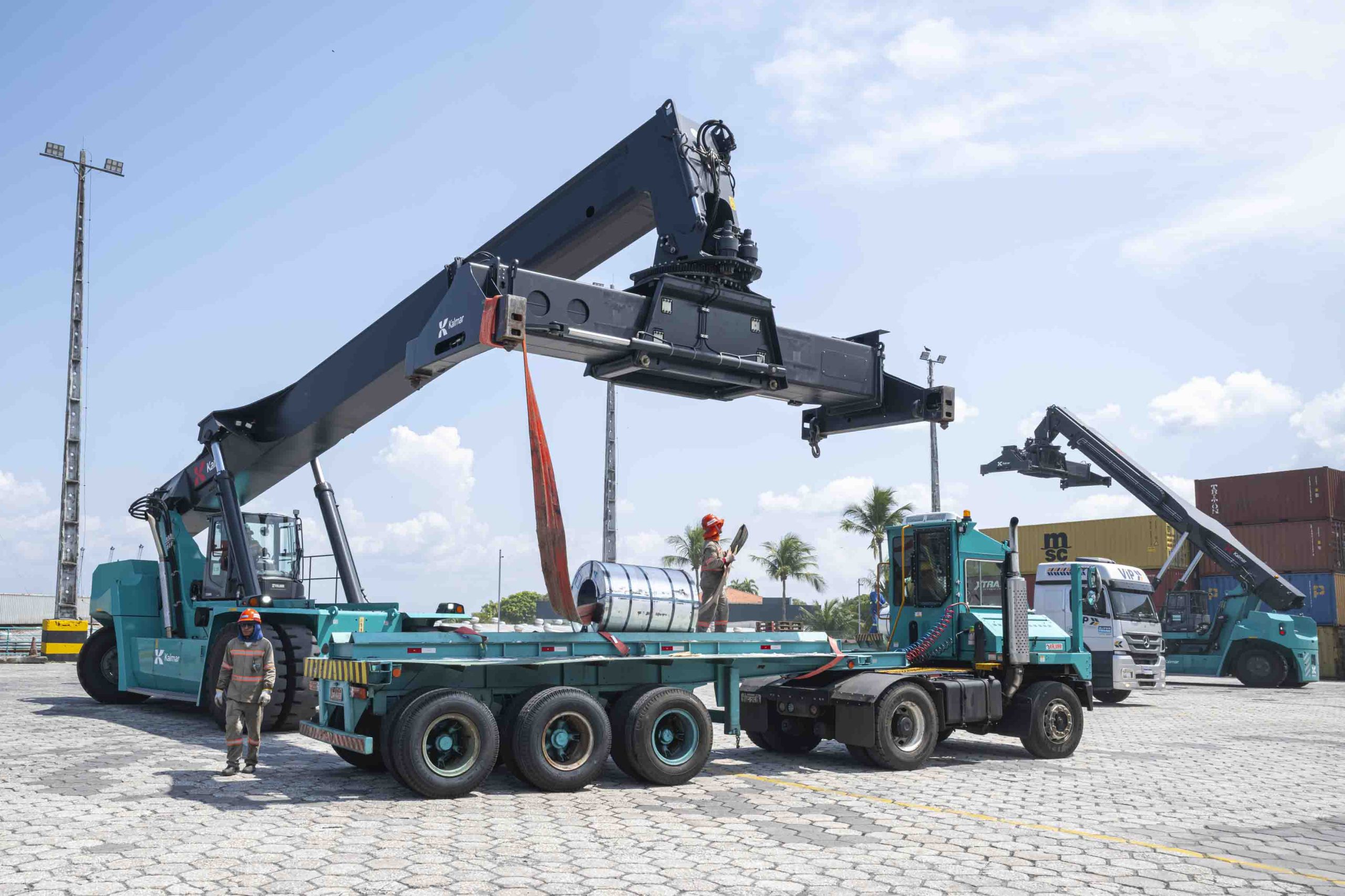
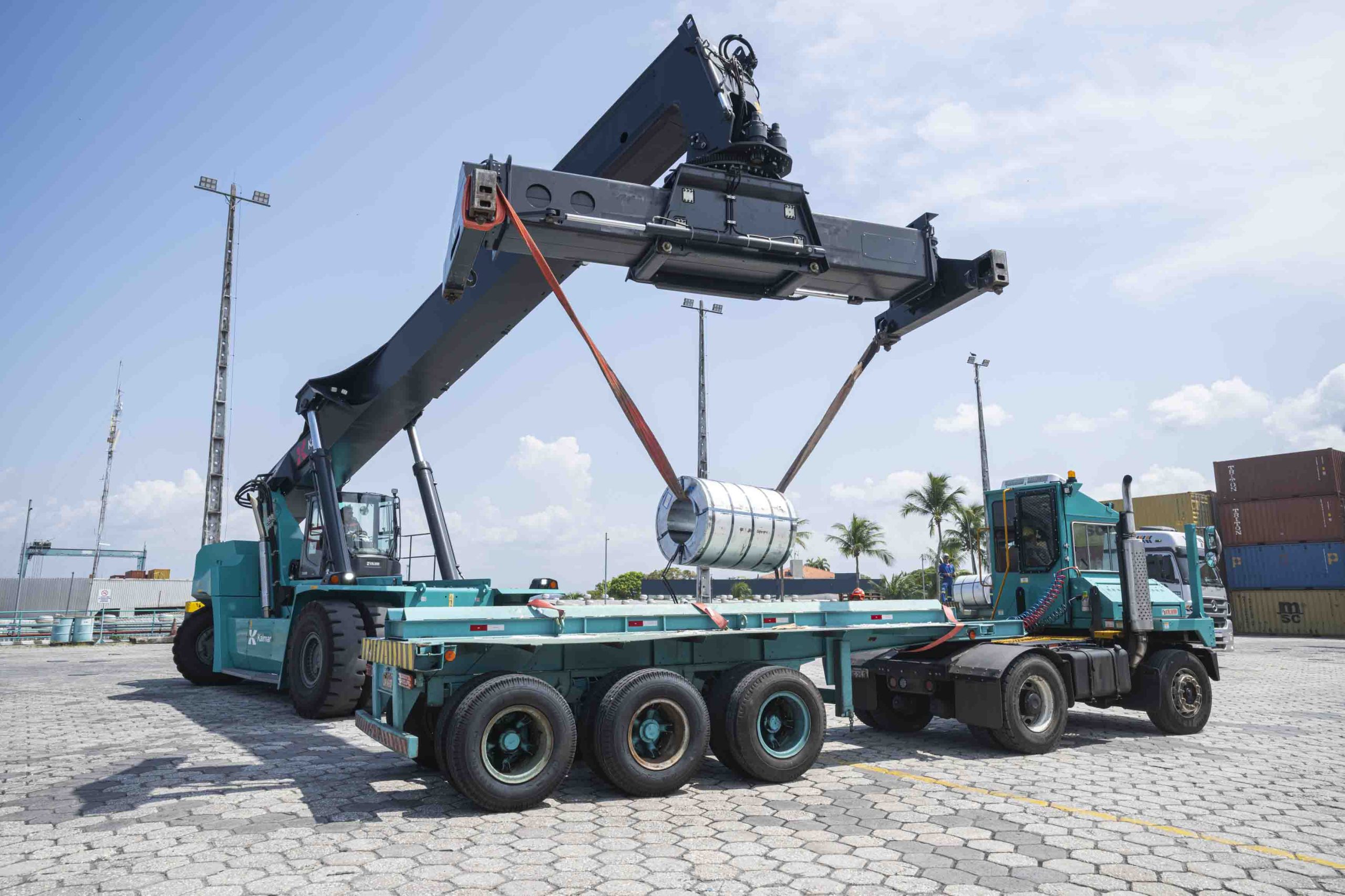
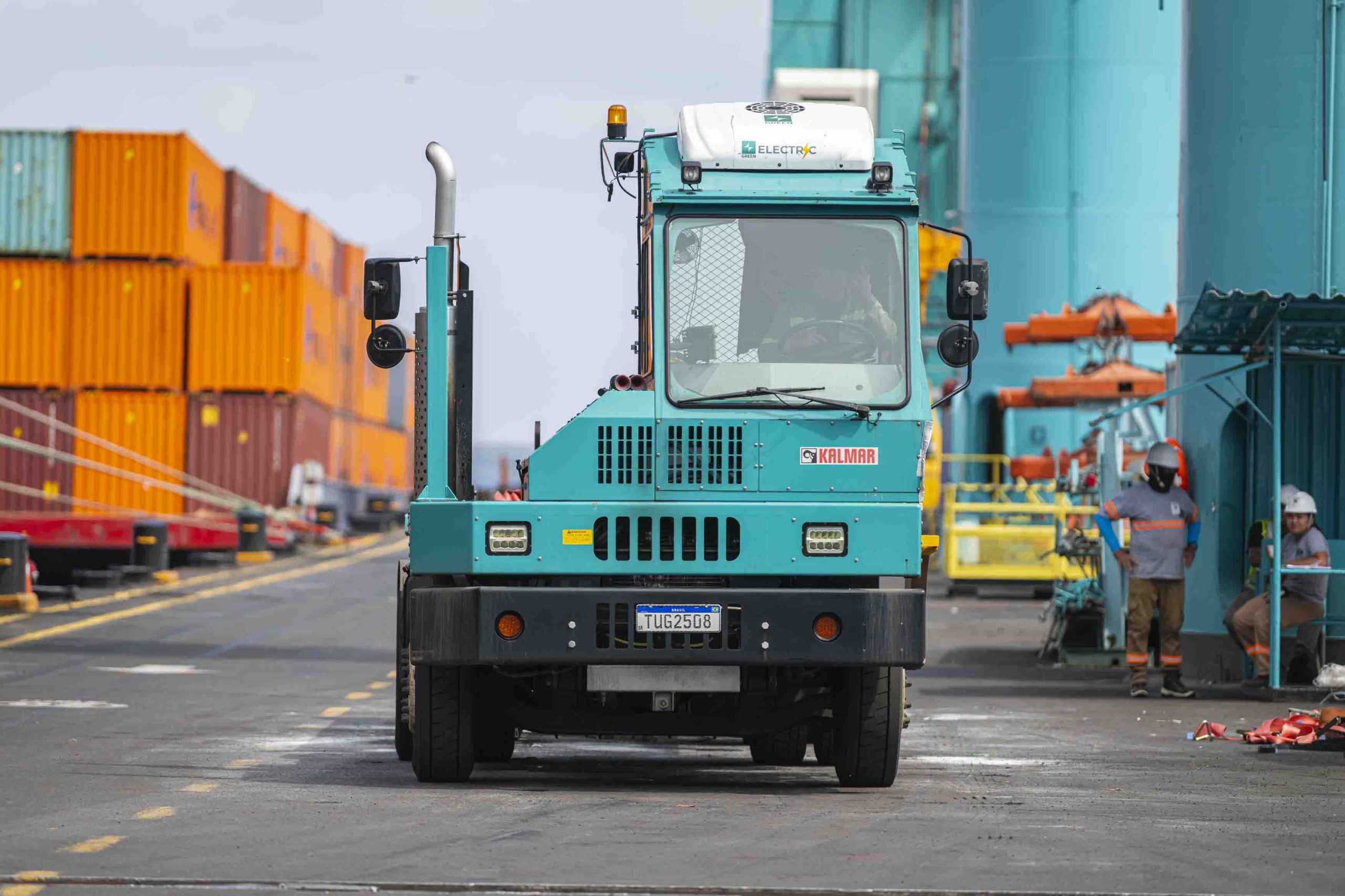
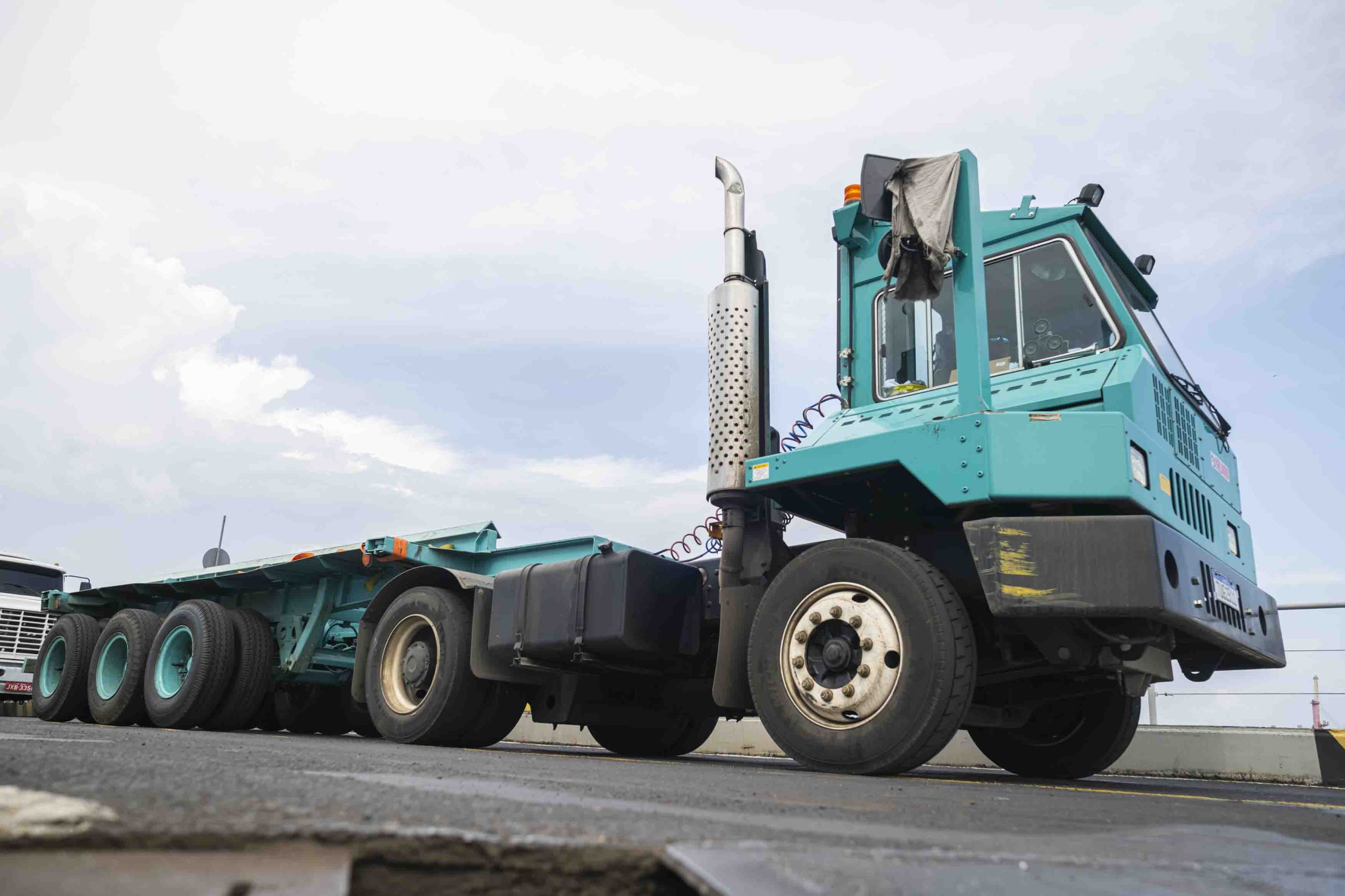
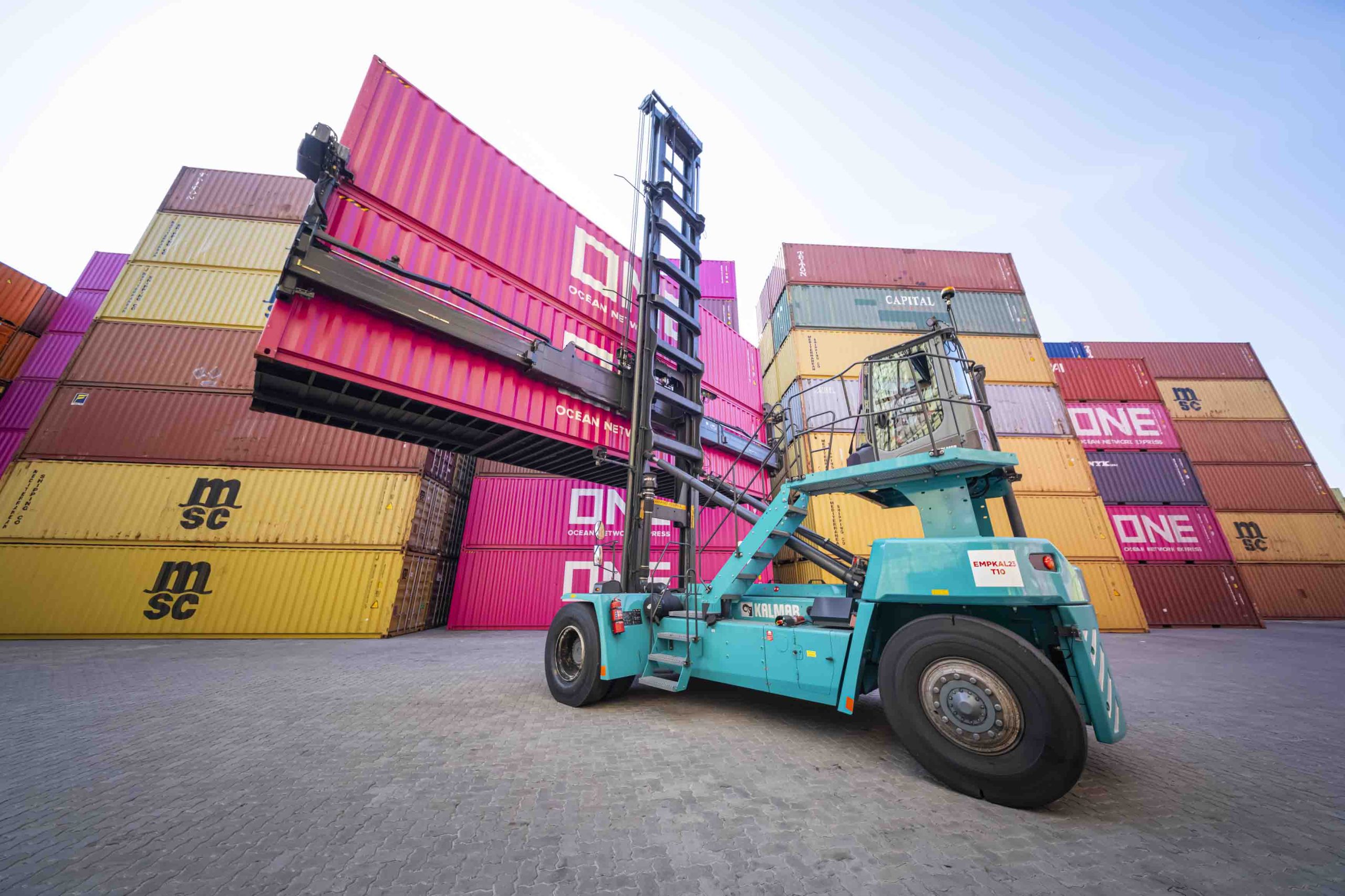
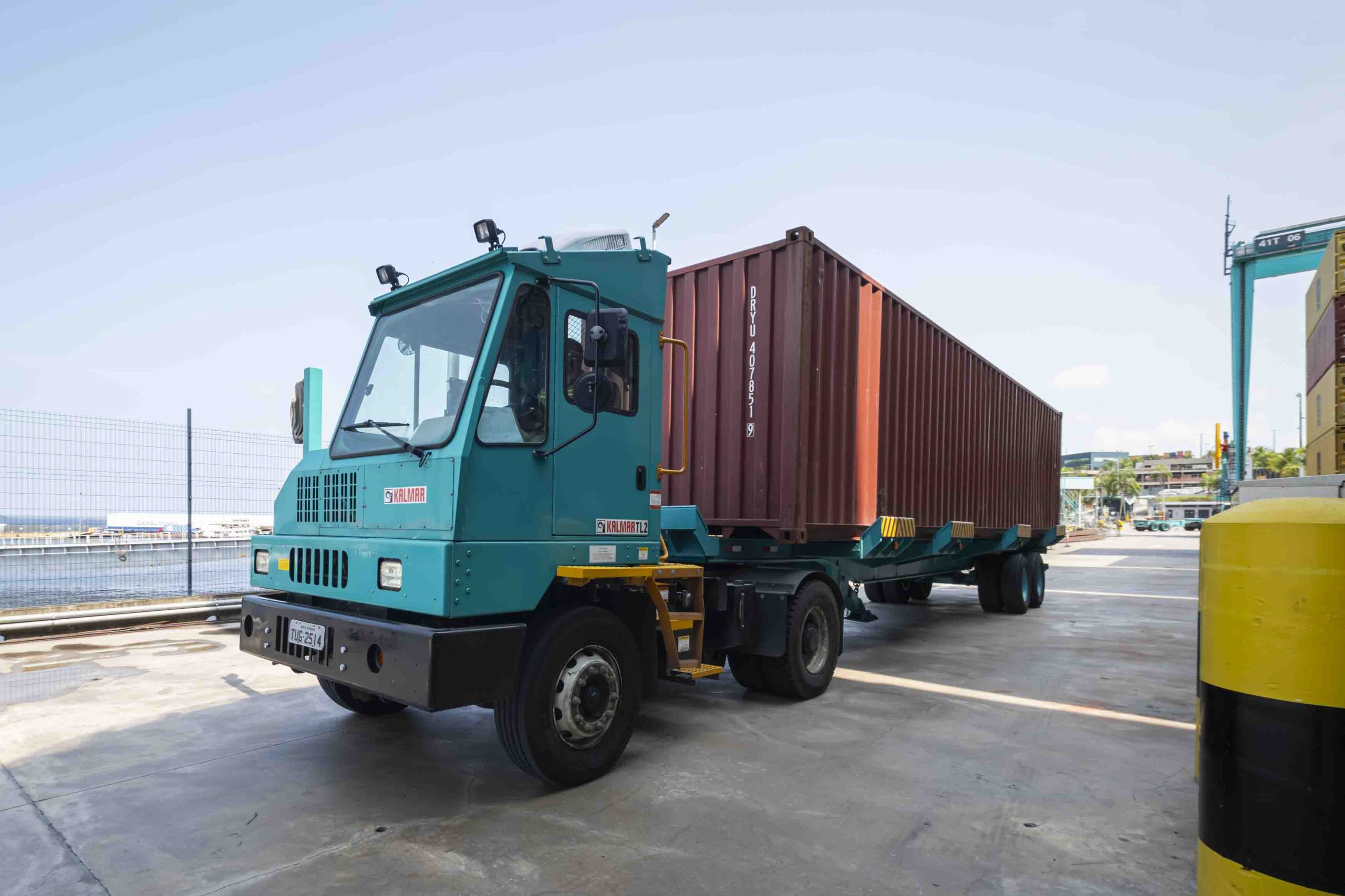
“Kalmar has been our partner for nearly 30 years. We are deeply grateful to the company. They have accompanied our evolution, and we have accompanied theirs as well—including terminal tractors, stackers, and empty handlers. One hundred percent of our equipment is Kalmar. We know the quality of their service and equipment, and we are very proud and honored to maintain this partnership with such a remarkable company”.
Marcello looks to the future with clarity and purpose.
“The legacy I want to leave is to build a solid, enduring, and human-centered company—one that cares not only about the community but also about the environment. We all have a goal, and ours is to build a better future for the State of Amazonas, for Brazil’s northern region, and for the country as a whole”.
“Although Super Terminais is only 30 years old, the group will celebrate its 50th anniversary in 2027. That is the secret: we are a transparent, serious company with purpose, solid processes, and a strong commitment to our people, our location, and the environment”.
“My vision for the next ten years is for Super Terminais to become a benchmark—both environmentally and technologically. With the investments we have made, we are not far from that goal, and we count on our partners to achieve it. In ten years, we want to have the most modern equipment, the best processes, and the best operations in Brazil. I make every move count”.
Thus, the story of Marcello Di Gregorio and Super Terminais stands as a tale of resilience and scale: from the waters of the Amazon to global trade routes, a port that honors its family legacy while shaping the future of Brazilian logistics through vision, sustainability, and modernity.